2

Category: Uncategorized

  • Strategia Autunnale per Vincere: Come Unire le Scommesse Sportive al Live Casino su GiocaGile

    Il settore del gioco d’azzardo digitale continua a crescere a ritmo sostenuto. Secondo i dati dell’Agenzia delle Dogane e dei Monopoli (ADM), nel 2025 le scommesse sportive hanno registrato un incremento del 12 % rispetto all’anno precedente, mentre il segmento del casino online ha superato il 15 % di crescita.

    Le ragioni di questo slancio sono molteplici: più giocatori cercano esperienze integrate, le piattaforme offrono bonus benvenuto più generosi e la velocità dei prelievi è diventata un fattore decisivo. Inoltre, la diffusione dei dispositivi mobili ha permesso di giocare ovunque, dal divano di casa al bar di quartiere.

    Per i giocatori italiani, la licenza ADM è il segno distintivo di affidabilità. Solo i siti con licenza ADM possono garantire protezione dei dati, giochi certificati e pagamento delle vincite entro 24‑48 ore per la maggior parte dei metodi. Questo contesto rende fondamentale scegliere un operatore che sappia coniugare sport e casinò in modo fluido.

    Analisi delle Funzionalità di GiocaGile Casino

    GiocaGile si presenta come una soluzione “tutto in uno” per chi vuole puntare su scommesse sportive e, allo stesso tempo, immergersi in un live casino di alto livello. Ecco perché il sito si distingue:

    • Varietà di giochi: più di 3 500 titoli, tra cui slot machine, crash game, poker, bingo e lotterie.
    • Bonus di benvenuto: 100 % sul primo deposito fino a €500 più 50 giri gratuiti su slot selezionate.
    • Velocità di pagamento: prelievi in e‑wallet elaborati in poche ore; bonifici bancari in 24‑48 ore.
    • Assistenza 24/7: chat live multilingue e supporto telefonico per risolvere rapidamente eventuali problemi.
    • Esperienza mobile: app nativa per iOS e Android con interfaccia ottimizzata per tablet.

    Ma cosa significa tutto ciò per il giocatore? In pratica, GiocaGile Casino permette di passare dalla scommessa su una partita di Serie A a una mano di blackjack live senza dover cambiare piattaforma. Questo elimina frizioni, riduce i tempi di login e aumenta le possibilità di sfruttare le promozioni incrociate.

    Come Funziona l’Integrazione Sport‑Casino

    1. Deposito unico: un solo metodo di pagamento alimenta sia il conto scommesse che quello casino.
    2. Bonus collegati: le promozioni sportive (es. “Ricarica sportiva”) aggiungono credito al wallet del casino.
    3. Cashback incrociato: le perdite nelle scommesse possono generare un rimborso percentuale da spendere nei giochi da tavolo.

    Questa sinergia è particolarmente vantaggiosa in autunno, quando la stagione calcistica ritorna al via e gli appassionati cercano emozioni sia sul campo che al tavolo.

    Domanda retorica: Hai mai pensato a quante opportunità di profitto si perdono passando da una piattaforma all’altra? Con GiocaGile Casino, il passaggio è istantaneo e privo di costi aggiuntivi.

    Metriche Chiave di Performance

    Indicatore GiocaGile Casino Media del settore
    Numero di giochi 3 500+ 2 300
    Tempo medio di prelievo 2 h (e‑wallet) 12 h – 48 h
    Percentuale di bonus attivi 85 % 60 %
    Rating di sicurezza (ADM) 5 stelle 4‑5 stelle

    I dati mostrano che GiocaGile eccelle nella velocità di pagamento e nella ricchezza dell’offerta. La percentuale di bonus attivi è una metrica importante perché indica quante promozioni sono effettivamente disponibili per gli utenti. Un valore dell’85 % suggerisce che il sito mantiene promozioni fresche e competitive.

    Analisi Comparativa con Altri Operatori Italiani

    GiocaGile Casino vs. Competitor A

    • Licenza: entrambi hanno la licenza ADM, ma GiocaGile offre un certificato di audit trimestrale più trasparente.
    • Offerta sportiva: Competitor A copre solo le principali leghe europee; GiocaGile include anche eventi di e‑sports e sport minori.
    • Prelievi: GiocaGile garantisce prelievi in meno di 2 ore per e‑wallet; Competitor A impiega fino a 24 h.

    GiocaGile Casino vs. Competitor B

    • Varietà di slot: GiocaGile supera di 1 200 titoli, includendo le ultime uscite di NetEnt e Pragmatic.
    • Live casino: Entrambi hanno dealer live, ma GiocaGile offre tavoli con baccarat e roulette a puntate minime più basse.
    • Assistenza: GiocaGile ha chat 24/7; Competitor B chiude il supporto alle 22:00.

    Queste differenze evidenziano come GiocaGile si posizioni come la scelta più completa per chi vuole giocare e scommettere in maniera integrata.

    Rischi e Opportunità

    Rischi Potenziali

    • Dipendenza da promozioni: un uso eccessivo dei bonus può portare a un “gaming loop” poco sostenibile.
    • Gestione del bankroll: passare rapidamente dal betting al casino può far diluire il controllo delle spese.

    Opportunità da Sfruttare

    • Jackpot progressivi: GiocaGile ospita jackpot che superano €1 milione, ideali per chi cerca grandi vincite.
    • Strategie cross‑sell: combinare scommesse a risultato con scommesse laterali (es. “primo marcatore”) e poi utilizzare le vincite per puntate ad alta RTP nelle slot.
    • Programma VIP: i giocatori più fedeli accedono a prelievi prioritari e bonus esclusivi.

    Consigli Pratici per Massimizzare le Vincite

    • Imposta limiti giornalieri sia per le scommesse che per il casino; la disciplina è la chiave per una lunga permanenza.
    • Sfrutta i bonus di benvenuto completando i requisiti di wagering entro 7 giorni per evitare scadenze.
    • Gioca alle slot con RTP ≥ 96 % durante le pause tra le partite di calcio; così ottieni il massimo ritorno teorico.
    • Utilizza l’app mobile per approfittare dei flash bet disponibili solo in tempo reale.
    • Monitora i tempi di prelievo: scegli e‑wallet per le vincite immediate, riserva i bonifici per somme più consistenti.

    FAQ

    Q: Qual è il requisito di scommessa per il bonus di benvenuto?
    A: GiocaGile richiede un wagering di 30x l’importo del bonus più della prima deposizione, da completare entro 7 giorni.

    Q: Posso giocare live casino dal mio smartphone?
    A: Sì, l’app mobile offre tutti i tavoli live, inclusi blackjack, roulette e baccarat, con streaming HD.

    Q: Quanto tempo impiega il prelievo con un e‑wallet?
    A: In genere il prelievo avviene entro 2 ore, a condizione che l’identità sia già verificata.

    Q: GiocaGile è sicuro per i giocatori italiani?
    A: Il sito è autorizzato dall’ADM, utilizza crittografia SSL a 256 bit e sottopone i giochi a controlli di fair play indipendenti.

    Q: Quali sport sono coperti dalle scommesse?
    A: Oltre al calcio, il catalogo include basket, tennis, volley, e‑sports, ippica e sport motoristici.

    Conclusioni e Raccomandazioni Strategiche

    L’autunno rappresenta il momento ideale per combinare scommesse sportive e live casino su una piattaforma che offra sicurezza, velocità e varietà. GiocaGile Casino risponde a tutti questi criteri, grazie alla licenza ADM, al catalogo di oltre 3 500 giochi e alle promozioni incrociate che premiano i giocatori più attivi.

    Raccomandazione: se sei un appassionato di calcio e vuoi trasformare le vittorie in tavola, apri subito un conto su GiocaGile Casino, completa il bonus di benvenuto e sfrutta le opportunità di jackpot durante le pause delle partite. Ricorda di giocare responsabilmente, impostando limiti di deposito e tempo. Con la giusta disciplina, potrai godere di un’esperienza di gioco completa, veloce e sicura, proprio come richiedono i giocatori più esigenti del mercato italiano.

  • Perpetual Futures Funding Rates on Hyperliquid: How to Profit From Basis Trading Between DEX and CEX

    A trader holds a long position in Bitcoin perpetual futures on Coinbase or FTX and simultaneously shorts Bitcoin on Hyperliquid. The position itself is hedged—directional risk is eliminated—yet a profit opportunity exists if the funding rate on one exchange exceeds the borrowing cost on the other. This is basis arbitrage, and it represents one of the few remaining market-inefficiencies where a disciplined trader can capture spreads without bearing directional volatility. The question is not whether the arbitrage exists. It is whether execution on Hyperliquid’s fully on-chain perpetuals market can compete with centralized venues in speed, cost, and reliability.

    Hyperliquid launched as a Layer 1 blockchain with a native decentralized exchange, purpose-built for perpetual futures trading with a central limit order book that settles directly on-chain. The platform’s HyperBFT consensus enables sub-second block times and handles up to 200,000 orders per second, bringing the performance profile of a centralized exchange into a non-custodial environment. For basis traders, that architectural choice matters. Zero gas fees for trading, up to 50x leverage, and email-based account creation without mandatory KYC create operational differences that can shift the risk-return calculation. Understanding how these elements interact with funding rates, position sizing, and CEX liquidity is essential before committing capital.

    Order book depth and funding rate charts comparing Hyperliquid and centralized exchange perpetuals markets

    Understanding basis and why funding rates matter for arbitrage

    The basis of a perpetual future is simply the difference between its price and the spot price of the underlying asset. On a centralized exchange, basis can be positive (perpetual trading at a premium) or negative (trading at a discount). When basis is positive and large, long positions earn a funding rate from short positions, creating an incentive for new longs to enter and compress the basis. The reverse occurs with negative basis: shorts receive from longs, attracting shorts and pushing the perpetual price down.

    For a basis arbitrageur, the funding rate is the actual profit source. If Bitcoin spot trades at $40,000 and the perpetual trades at $40,500 on a centralized exchange with an 8-hour funding period paying 0.05% (the long position receives 0.05% of notional from the short position every 8 hours), the trader can long the spot or the perpetual on the CEX and short the perpetual on Hyperliquid at $40,100. The directional exposure nets to zero, but the trader collects the positive funding difference between venues. Over 365 days with consistent funding of 0.05% per 8-hour period on the CEX and zero basis on Hyperliquid, that trade would return roughly 45% annualized if executed at scale with no slippage or transaction costs.

    The real calculation is more complex because funding rates fluctuate, Hyperliquid’s own funding can be positive or negative, and execution costs matter. On a centralized exchange, a trader pays taker fees of 0.04% to 0.10% to establish a position; on Hyperliquid, trading costs zero gas but the exchange applies a taker fee of 0.02% to 0.05% depending on order type and volume tier. For a basis trade that lasts 90 days, round-trip execution costs of 0.10% to 0.20% across both venues can consume 25% to 40% of the annualized 45% return, leaving a risk-adjusted carry of 5% to 20%. That is still valuable if the trade executes cleanly and funding remains stable, but it is materially different from the headline arbitrage spread.

    The critical insight is that basis arbitrage is not a “free profit” strategy. It requires capital to remain locked for the duration of the trade, exposure to slippage during entry and exit, the risk that funding rates collapse unexpectedly, and operational discipline to avoid mistakes. The edge comes from patient execution, sizing that respects liquidity on both venues, and a willingness to exit the trade if market conditions deteriorate rather than hoping the basis will eventually converge.

    Hyperliquid’s architecture and its advantages for perpetual futures traders

    Hyperliquid differentiates itself through a combination of features that traditional DEX perpetuals struggle to replicate. The blockchain is not built on Ethereum or Solana; it is a dedicated Layer 1 designed specifically for trading. This allows the entire order book to be on-chain, with atomic settlement of matches and margin calls. Every order is cryptographically signed and executed as a blockchain transaction, eliminating custodial risk at the protocol level. Traders retain control of private keys while enjoying performance characteristics that rival centralized platforms.

    The HyperBFT consensus mechanism and sub-second block times mean that order confirmation latency is measured in hundreds of milliseconds rather than several seconds. For basis arbitrage, this matters less than for pure market-making, but it reduces slippage during large fills and makes entry and exit more predictable. The theoretical throughput of 200,000 orders per second is not reached during typical market conditions, yet it does imply that the order book can handle sudden volatility or volume spikes without crashing or freezing.

    Zero gas fees for trading is a substantial advantage over Ethereum-based derivatives platforms, where a perpetual trade might cost $5 to $50 depending on network congestion. The Hyperliquid HYPE token, which launched on November 29, 2024, is used for staking, governance, and network gas in general, but trading itself does not consume gas. This creates a structural cost advantage for basis traders who execute many positions or hold trades for short periods, as transaction costs are decoupled from on-chain settlement density.

    The email-based account creation without mandatory KYC is another operational advantage, though it comes with compliance risks for certain traders. A trader can fund a Hyperliquid account via crypto transfer without a formal identity verification process, which simplifies entry and exit compared to centralized exchanges that increasingly require comprehensive KYC. The downside is regulatory uncertainty: traders in high-compliance jurisdictions should understand local rules before using accounts that do not match traditional exchange standards.

    Funding rate mechanics and how Hyperliquid compares to CEX perpetuals

    Funding rates on centralized exchanges are typically calculated every 8 hours and determined by the difference between perpetual price and mark price (a formula-based fair value tied to spot indices). If the perpetual is significantly above mark price, long positions fund short positions at a higher rate, encouraging shorts and compressing the premium. Funding is paid or received independently of whether a position is open at the exact settlement moment; if a trader closes 30 seconds before funding, they do not collect that funding period.

    Hyperliquid uses a similar model but with different parameters. Funding on Hyperliquid is paid every 60 seconds, not every 8 hours, meaning funding accrues more continuously. This can be advantageous for basis traders because it reduces the risk of missing a funding period due to a close execution or network delay. The rate itself is determined by order book imbalance and similar mechanisms to CEX perpetuals. During periods when longs dominate the order book, funding is positive and rewards longs; when shorts dominate, funding is negative.

    For arbitrage purposes, the 60-second funding cycle on Hyperliquid can create both opportunities and complications. If a basis trade is held for exactly 8 hours on a CEX and 480 seconds on Hyperliquid (due to the different settlement schedules), the trader receives 1 funding period on the CEX and 480 on Hyperliquid. If Hyperliquid funding is negative during a period when CEX funding is positive, the trader gains the full spread multiplied by 480 periods rather than just the single 8-hour spread. Conversely, if both venues show positive funding that moves in tandem, the Hyperliquid short position’s negative funding cost compounds and can erode profitability.

    A practical basis arbitrage on hyperliquid requires real-time monitoring of funding rates on both venues and quick entry when the spread widens. If Coinbase perpetuals are at +0.05% per 8 hours and Hyperliquid is at -0.01% per 60 seconds (which compounds to roughly -0.30% per 8 hours), the spread is +0.35% per 8-hour cycle, or approximately 160% annualized if static. After transaction costs of 0.10% to 0.15%, the net opportunity is still substantial. The execution challenge is to identify these moments, confirm that liquidity is sufficient on both venues to establish position sizes that matter, and execute without creating adverse price movement.

    Position sizing and leverage management in basis trading

    Many basis arbitrage traders operate with 2x to 5x leverage on the long side (CEX perpetual or spot plus borrowing) and comparable short leverage on Hyperliquid. This amplifies the carry income but also increases the cost of error. A 1% adverse move on each leg simultaneously would result in a 2% to 5% loss of capital, negating months of accumulated funding rate income. Position sizing discipline is not optional; it is the difference between a profitable strategy and a blown account.

    The standard approach is to size based on the absolute carry income expected, not on capital deployed. If a trader has $100,000 in capital and expects the spread to generate 0.35% per 8-hour cycle, the 8-hour carry is $350. A trader might then ask: “How much notional can I hold to capture $350 of carry without taking unacceptable risk?” The answer depends on slippage tolerance, liquidation distance, and correlation risk between the CEX perpetual and Hyperliquid.

    On Hyperliquid, up to 50x leverage is offered, though responsible basis traders rarely use more than 5x to 10x. The liquidation threshold is calculated from maintenance margin requirements; on Hyperliquid, maintenance margin for most perpetuals is approximately 2.5% to 5%, meaning a long position with 10x leverage is liquidated if the position moves against the trader by 10% to 20%. For a basis trade that is supposed to be hedged, a sudden 10% move in Bitcoin should result in a gain on one leg and a loss on the other, netted to near-zero. However, if the CEX position uses different leverage than Hyperliquid, or if margin requirements differ, the hedge can be imperfect. A trader’s long on the CEX at 5x and short on Hyperliquid at 10x is not actually hedged; a 5% Bitcoin drop would realize a net loss once liquidation and forced closing are factored in.

    The practical sizing rule for basis arbitrage is to match notional exposure on both legs as closely as possible, then reduce leverage below the point where realistic slippage or funding rate collapse would trigger liquidation on either venue. This often means using 3x to 7x leverage despite Hyperliquid’s 50x capability. The conservative approach to leverage is not a sign of weakness; it is a recognition that arbitrage edges are thin and should not be risked on execution or parameter variability.

    Execution logistics and the role of market makers in basis spreads

    Basis arbitrage lives or dies by execution. A trader identifying a 160% annualized spread must enter both legs within minutes, ideally simultaneously, to lock in the arbitrage. On a centralized exchange, the trader can post limit orders on the perpetual side and attempt to source spot Bitcoin through a prime broker, loan desk, or internal inventory. On Hyperliquid, the order book is live and transparent, and limit orders sit on the on-chain book awaiting matches.

    The depth and liquidity available on Hyperliquid for basis trading purposes has grown substantially as of early 2025, with Hyperliquid capturing over 70% of monthly perpetual trading volume across decentralized exchanges. This concentration means that large traders can execute sizable positions without moving the market as drastically as they might on smaller DEX alternatives. However, it also means that market makers on Hyperliquid are aware of the basis arbitrage opportunity and often quote accordingly, meaning the raw funding spread is partially offset by tighter-than-expected fills.

    For a trader entering a $5 million notional position on both venues, the CEX perpetual might be crossed at +0.03% of mid-price due to slippage, while the Hyperliquid short is filled at -0.02% of mid-price due to aggressive market-making. The combined slippage is -0.01% of notional, or $500, which reduces the net spread available. These seemingly small percentage moves compound across many trades, and a basis arbitrageur who doesn’t account for execution friction will consistently underperform expectations. The solution is to use limit orders and be willing to scale in over time, accepting that some basis opportunities will evaporate while waiting for full fills.

    Funding rate watching tools and data feeds become essential here. Services that aggregate funding rates across CEX perpetuals and Hyperliquid enable traders to identify asymmetric spreads faster than competitors who manually check each exchange. A trader who can detect a 160% annualized spread before it is reflected in market maker quotes has a window of perhaps 5 to 30 seconds to execute before the opportunity compresses. Automation through APIs and pre-written execution logic can mean the difference between capturing a 50 basis point spread and capturing only 5 basis points after slippage.

    Managing funding rate collapse and basis convergence risk

    The most insidious risk in basis arbitrage is not a sudden price move—that should be hedged—but a collapse in the funding rate spread. Imagine a trader enters a basis trade at 160% annualized funding advantage, with the position locked for 30 days. By day 15, Hyperliquid funding has shifted from -0.30% per 8 hours to +0.05% per 8 hours due to a surge in long-only traders entering Hyperliquid perpetuals. The CEX funding also tightens from +0.35% to +0.10% per 8 hours. The original 160% annualized spread has compressed to roughly 5% annualized, and the trader’s remaining 15 days of carry will be minimal.

    This scenario is not hypothetical. Funding rates are mean-reverting in nature; when they diverge, market participants are incentivized to arbitrage them. As more capital enters the basis arbitrage trade, Hyperliquid long positions increase, which should push Hyperliquid funding positive. Simultaneously, the CEX short positions increase, which should push CEX funding negative. The very act of trading the arbitrage destroys the spread. This is why basis arbitrage is not a scalable strategy; the more capital that flows into it, the tighter the spread becomes until it is barely worth the transaction costs.

    Sophisticated basis traders build in an exit trigger: if the funding spread falls below a certain threshold (e.g., 20% annualized, leaving only a thin margin above transaction costs), the trader closes both positions, realizing the accumulated carry and redeploying capital to other opportunities. This is psychologically difficult because it means accepting closure of a trade at apparent “loss” compared to when it was entered, even though the accumulated carry has been safely pocketed. The alternative is to hold a deteriorating trade in the hope that funding rates revert, which often results in a small gain eaten away by slippage and closure costs.

    Another risk factor is basis convergence at expiry or during settlement anomalies. If the perpetual contract is set to expire or settle and the underlying spot price moves sharply relative to the perpetual, basis can compress violently. A trader holding a basis trade on a perpetual with an approaching settlement date should be aware of these settlement mechanics and should avoid holding through the final hour before expiry. On Hyperliquid, perpetual futures are perpetual by definition and never expire; this eliminates settlement risk compared to quarterly or monthly contract expirations on traditional derivatives platforms.

    Capital efficiency and returns after transaction costs

    The return on capital calculation for basis arbitrage must account for the full cost structure. On a typical basis trade using $100,000 of capital with 5x leverage deployed on both sides, a trader controls $500,000 of notional. A 160% annualized funding spread on that notional is $800,000 annualized, but the trader only deployed $100,000 of capital. The return on capital is therefore 8x, or 800% annualized. However, this calculation ignores transaction costs, slippage, and opportunity cost of capital.

    Round-trip transaction costs on the CEX perpetual and Hyperliquid combined are typically 0.10% to 0.20% of notional. On $500,000 of notional, that is $500 to $1,000. Entry and exit slippage might add another 0.05% to 0.15%, or $250 to $750. The total implementation cost is $750 to $1,750, or 0.15% to 0.35% of notional. On an $800,000 annualized carry, this cost consumes 0.09% to 0.22% of the carry, or roughly 10% to 25% of the total profit. After these costs, the net return is 6x to 7.2x, or 600% to 720% annualized on the capital deployed.

    However, this assumes perfect execution and zero slippage. In reality, a trader should conservatively assume costs of 0.25% to 0.50% of notional, which reduces the net carry. More importantly, the calculation assumes that capital is deployed only once and held until the funding spreads converge. In reality, a trader will identify multiple basis opportunities over time and will redeploy capital repeatedly. Each redeploy incurs entry and exit slippage, reducing the effective return. A more conservative estimate after multiple cycles is 300% to 500% annualized return on capital deployed, or 3% to 5% per 8-hour funding cycle if the spread remains stable.

    For traders with significant capital and low financing costs, basis arbitrage remains one of the most attractive low-risk yield sources in crypto derivatives. The key is discipline: consistent position sizing, strict execution protocols, automated monitoring of funding rate spreads, and a willingness to exit trades if the spread collapses below profitable thresholds. Hyperliquid’s zero gas fees and sub-second settlement speed have made it a serious venue for this strategy, and the platform’s capture of over 70% of DEX perpetual trading volume means that liquidity will likely remain sufficient for basis traders to scale positions meaningfully.

    Operational considerations and risk management for live trading

    Once a basis arbitrage is live, the operational risks shift from entry execution to maintenance and monitoring. A trader must track funding payments across both venues, ensure that margin levels remain safe on both sides, and monitor for exchange outages or liquidity drying up. Hyperliquid’s on-chain settlement means that withdrawal risk is nearly zero; funds are always controllable by the trader’s private key. However, if Hyperliquid were to experience a consensus failure or operational issue, trades could be frozen until resolution.

    Funding accrual should be tracked in real time. On a CEX perpetual generating +0.05% per 8 hours and a Hyperliquid short generating -0.03% per 8 hours, the net carry is +0.02% per 8 hours. Over 30 days, that is approximately 0.25% of notional, or $1,250 on a $500,000 position. Withdrawing accumulated carry into a separate wallet reduces the risk that a margin call or liquidation on one leg forces closeout and obliges the trader to realize losses on the other leg. Disciplined traders often harvest carry every 3 to 7 days and reset positions, which also simplifies tax accounting and reduces operational risk.

    Liquidation monitoring is critical. A trader holding a long perpetual on a CEX at 5x leverage and a short on Hyperliquid at 5x leverage is nominally hedged. However, if the CEX maintenance margin is 10% and Hyperliquid’s maintenance margin is 5%, a 5% move in Bitcoin would force liquidation on Hyperliquid while the CEX position still has margin cushion. The trader would then be left with only the CEX long, now unhedged, and facing forced exit in a panic. Pre-calculating liquidation thresholds for each venue and ensuring that they don’t overlap is non-negotiable for basis traders who want to remain solvent.

    Frequently asked questions

    What is the typical funding rate spread that makes basis arbitrage profitable on Hyperliquid?

    A spread of 50% to 100% annualized, after transaction costs, is generally acceptable for basis arbitrage. Spreads below 30% annualized are difficult to profit from consistently once slippage and execution costs are factored in. Hyperliquid’s zero gas fees help compress these break-even thresholds compared to Ethereum-based perpetuals platforms, making smaller spreads tradeable at scale.

    How do I ensure that my basis trade is actually hedged on Hyperliquid and a centralized exchange?

    Match the notional size on both legs as closely as possible, use equivalent leverage ratios to ensure similar liquidation distances, and confirm the maintenance margin requirements on each venue. A $500,000 long on a CEX perpetual should be hedged with a $500,000 short on Hyperliquid perpetuals, both at 5x leverage if maintenance margin is identical. Pre-calculate liquidation prices and ensure they don’t converge during realistic market moves.

    Why would I choose Hyperliquid over other DEX perpetuals platforms for basis trading?

    Hyperliquid offers zero gas fees for trading, sub-second settlement via HyperBFT consensus, 60-second funding cycles (rather than 8-hour cycles on traditional perpetuals), and massive liquidity depth—the platform captured over 70% of DEX perpetual volume by early 2025. These features reduce execution friction and slippage, making basis arbitrage more profitable than on smaller or slower alternatives.

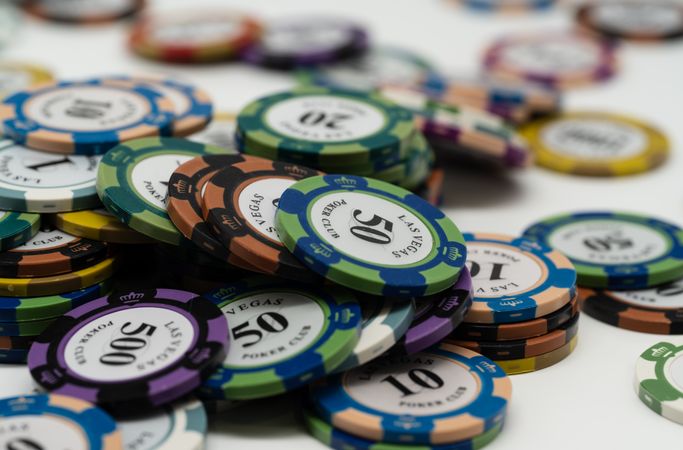
  • Betscore Casino De: Die Anfänge der deutschen Spielbanken

    Die faszinierende Welt der deutschen Spielbanken hat eine lange und wechselvolle Geschichte, die sich über mehrere Jahrhunderte erstreckt. Ursprünglich als exklusive Unterhaltung für Adel und hohe Gesellschaft gedacht, haben sich Casinos in Deutschland zu einem vielfältigen und regulierten Glücksspielmarkt entwickelt. Heute finden Glücksspielbegeisterte nicht nur landbasierte Spielbanken, sondern auch eine wachsende Anzahl von Online-Angeboten, die bequemes und sicheres Spielen ermöglichen. Die Entwicklung spiegelt nicht nur gesellschaftliche Veränderungen wider, sondern auch technologische Fortschritte, die das Glücksspiel zugänglicher und vielfältiger gemacht haben.

    Bei der Erforschung dieser spannenden Entwicklung ist es wichtig zu verstehen, wie sich das Glücksspiel in Deutschland gewandelt hat. Früher waren Wetten und Glücksspiele oft im unteren Bereich der Gesellschaft verankert, während sie heute Teil des Mainstream-Unterhaltungsangebots sind. Dieser Wandel geht Hand in Hand mit der fortschreitenden Liberalisierung und Regulierung des Marktes, die sowohl Spielerschutz als auch fairere Bedingungen für Anbieter gewährleisten soll. Wer tiefer in die Materie eintauchen möchte, findet auf BetScore Casino DE umfassende Informationen über die aktuelle Glücksspiellandschaft in Deutschland.

    Die digitalen Revolution der letzten Jahrzehnte hat besonders die Welt der Sportwetten revolutioniert. Die Abgrenzung zwischen traditionellen Casinos und modernen Sportwettplattatten ist zunehmend verschwommen, wobei viele Anbieter beine Bereiche anbieten. Interessant ist die Entwicklung von Plattformen, die sich speziell auf Sportwetten spezialisiert haben und dabei eine breite Palette von Sportarten abdecken. Wer gezielt nach aktuellen Angeboten sucht, findet bei BetScore Casino DE einen guten Ausgangspunkt. Diese Entwicklung zeigt, wie dynamisch der deutsche Glücksspielmarkt ist und wie er sich an die Bedürfnisse moderner Spieler anpasst.

    Die Anfänge der deutschen Spielbanken

    Erste Spielbanken im Adelsmilieu

    Die Geschichte der Spielbanken in Deutschland lässt sich bis ins 17. Jahrhundert zurückverfolgen, als erste exklusive Spielhäuser für den Adel entstanden. Diese ersten Casinos dienten nicht primär dem Glücksspiel, sondern waren vielmehr soziale Treffpunkte, wo politische Allianzen geschlossen und kulturelle Gespräche geführt wurden. Berühmte Spielbanken wie das Kurhaus von Baden-Baden entwickelten sich im 19. Jahrhundert zu international renommierten Institutionen, die Gäste aus ganz Europa anzogen.

    Die Atmosphäre in diesen frühen Casinos war geprägt von Eleganz und Diskretion. Man spielte nicht um hohe Geldbeträge, sondern vielmehr um Status und Prestige. Popularisiert wurden diese Häuser durch Berühmtheiten wie den russischen Schriftsteller Fjodor Dostojewski, der in seinem Werk “Der Spieler” eindringlich das Spielkasino beschrieb. Diese Zeit prägte das Bild des Casinos als Ort der Unterhaltung und des gehobenen Lebensstils, das bis heute in unserem Bild vom Glücksspiel mitschwingt.

    Die Entwicklung bis ins 20. Jahrhundert

    Im 19. Jahrhundert erlebten die deutschen Spielbanken ihre Blütezeit, als sich immer mehr Städte um die begehrten Konzessionen bewarben. Diese Entwicklung wurde maßgeblich vom preußischen König Friedrich Wilhelm III. vorangetrieben, der 1810 die ersten staatlichen Konzessionen für Spielbanken erteilte. Die strengen Regularien sollten sicherstellen, dass die Casinos als legitime und kontrollierte Unterhaltungsstätten fungierten.

    Während der Weimarer Republik erlebte das Glücksspiel eine weitere Blütezeit, die jedoch mit der Machtergreifung der Nationalsozialisten abrupt endete. 1933 wurden alle deutschen Spielbanken geschlossen, und das Glücksspiel wurde streng verboten. Diese Unterbrechung sollte sich nach dem Zweiten Weltkrieg als entscheidend erweisen, als das Bild des Glücksspiels in Deutschland nachhaltig geprägt wurde.

    Die Neuordnung nach dem Zweiten Weltkrieg

    Wiederaufbau und erste Legalisierungen

    Nach dem Ende des Zweiten Weltkriegs begann ein langsamer und vorsichtiger Wiederaufbau des deutschen Glücksspiels. Die Alliierten erlaubten zunächst nur begrenzte Glücksspielaktivitäten, um die Wirtschaft anzukurbeln. Erst in den 1950er Jahren begann die schrittweise Legalisierung von Spielbanken auf Bundeslandesebene, wobei jedes Land eigene Regelungen erließ.

    Hessen ging 1953 mit der Wiedereröffnung des Casinos Wiesbaden als erstes Bundesland den Weg der Legalisierung. Dieser Schritt markierte einen wichtigen Meilenstein in der Nachkriegsgeschichte des deutschen Glücksspiels. Die neuen Spielbanken wurden unter strengen Auflagen betrieben, mit dem Ziel, Spielerschutz zu gewährleisten und organisierter Kriminalität vorzubeugen. Diese Ära brachte die erste moderne Regulierung des Glücksspiels in Deutschland hervor, die bis heute als Grundlage dient.

    Die Entwicklung der Bundesländerregelung

    Die 1970er Jahre brachten eine entscheidende Entwicklung mit sich: die Einführung der Bundesländerregelung. Dieses System legte fest, dass jedes Bundesland eigene Glücksspielgesetze erlassen kann, solange sie bestimmte Mindeststandards erfüllen. Diese dezentrale Regulierung prägt bis heute den deutschen Glücksspielmarkt und führt zu unterschiedlichen Regelungen in den Bundesländern.

    Innerhalb dieses Rahmens entstanden verschiedene Modelle – von staatlich monopolisierten Casinos wie in Baden-Württemberg bis zu Konzessionsmodellen in anderen Bundesländern. Diese Vielfalt spiegelt unterschiedliche politische Philosophien wider und hat zur Entwicklung eines komplexen gesetzlichen Gefüges geführt, das sowohl Anbieter als auch Spieler vor Herausforderungen stellt. Die Bundesländerregelung bleibt eines der charakteristischsten Merkmale des deutschen Glücksspiels.

    Die digitale Revolution: Online-Glücksspiel in Deutschland

    Vom Illegalen zum Regulierten Markt

    Die Jahrtausendwende brachte mit dem Aufkommen des Internets eine völlig neue Ära für das Glücksspiel in Deutschland. Zunächst entstanden unzählige illegale Online-Casinos und Sportwettanbieter, die aus dem Ausland agierten. Diese Phase der Wild-West-Zeit prägte das Bild des Online-Glücksspiels in Deutschland nachhaltig und führte zu erheblichen rechtlichen Unsicherheiten.

    Erst mit der Einführung des Glücksspielstaatsvertrags im Jahr 2008 begann eine schrittweise Regulierung des Online-Marktes. Dieser Vertrag, der zwischen den Bundesländern geschlossen wurde, schuf einen rechtlichen Rahmen für Online-Casinos und Sportwetten. Allerdings blieb der Markt stark fragmentiert, da nicht alle Bundesländer am Vertrag teilnahmen. Diese Teilregulierung führte zu einer komplexen Situation, in der legale und illegale Anbieter nebeneinander existierten.

    Der neue Glücksspielstaatsvertrag 2021

    Ein entscheidender Wendepunkt war der neue Glücksspielstaatsvertrag, der 2021 in Kraft trat. Dieser moderne Vertrag liberalisiert den Online-Markt erheblich und schafft einheitliche Regelungen für alle Bundesländer. Kernpunkte des neuen Vertrags sind strengere Auflagen für Anbieter, verbesserte Spielerschutzmaßnahmen und die Einführung von Obergrenzen für Einsätze und Boni.

    Der neue Vertrag erlaubt erstmals explizit Sportwetten im Internet, wobei zunächst nur 20 Lizenzen vergeben wurden. Diese Entwicklung hat den deutschen Glücksspielmarkt grundlegend verändert und legale Anbieter wie {LINK} bessere Rahmenbedingungen geschaffen. Gleichzeitig stärkt der Vertrag den Spieler- und Jugendschutz durch Maßnahmen wie das Sperrsystem “Spiele mit Verantwortung” und obligatorische Verlustlimits. Diese Regulierung markiert einen wichtigen Schritt in Richtung eines faireren und transparenteren Online-Glücksspiels in Deutschland.

    Historisches deutsches Casino mit elegantem Interieur und Glücksspielautomaten

    Die moderne Glücksspiellandschaft in Deutschland

    Landbasierte Casinos vs. Online-Angebote

    Heute existiert in Deutschland eine parallele Glücksspiellandschaft aus traditionellen landbasierten Casinos und modernen Online-Plattformen. Die landbasierten Casinos behaupten ihre Position als Erlebnisorte mit eleganter Atmosphäre und persönlichen Service. Bekannte Häuser wie das Casino Baden-Baden oder das Kurhaus Wiesbaden ziehen nach wie vor internationale Gäste an und sind fester Bestandteil des Tourismus in ihren jeweiligen Regionen.

    Gleichzeitig hat sich das Online-Glücksspiel massiv etabliert und einen riesigen Markt geschaffen. Moderne Online-Casinos bieten eine beeindruckende Vielfalt an Spielen, die weit über die klassischen Tischspiele hinausgeht. Von Sportwetten über Spielautomaten bis hin zu

    Woran man ein seriöses Online Casino erkennt

    Kriterium Warum es zählt
    Lizenz Legale Angebote stehen unter deutscher oder EU-Aufsicht
    Auszahlungsquote Faire Slots veröffentlichen ihre RTP-Werte
    Bonusbedingungen Umsatzbedingungen zählen mehr als der Bonusbetrag
    Auszahlungsdauer Schnelle Auszahlungen zeigen finanzielle Stabilität
    Kundendienst Deutscher Support hilft bei Problemen sofort weiter

    Häufige Fragen

    Sind Gewinne aus dem Online Casino steuerfrei?
    In Deutschland bleiben Glücksspielgewinne für private Spieler grundsätzlich steuerfrei, weil auf Einsätze bereits Abgaben erhoben werden.

    Wie lange dauern Auszahlungen im Online Casino?
    Bei seriösen Anbietern dauert eine Auszahlung mit geprüften Zahlungsmethoden in der Regel ein bis drei Werktage.

    Was bedeutet die Umsatzbedingung bei einem Bonus?
    Der Bonusbetrag muss mehrfach im Casino eingesetzt werden, bevor Gewinne zur Auszahlung freigegeben werden.

  • Phantom Wallet Extension: Why It’s Better Than MetaMask for Solana Users

    A cryptocurrency user working primarily on Solana faces a practical frustration: MetaMask is slow, expensive, and designed for Ethereum first. Network fees eat into small transactions. Confirmations lag. The user interface assumes Ethereum’s account model and transaction structure, forcing Solana operations into an awkward fit. Phantom wallet extension addresses this gap directly by building Solana integration at the application layer rather than bolting it onto an Ethereum-centric architecture.

    The comparison matters because the choice of wallet shapes every interaction with Web3. It determines which networks are accessible, which transaction previews appear before signing, and which scams are caught before funds move. MetaMask remains the most downloaded browser extension wallet, but dominance does not equal suitability for every user or every blockchain. Phantom’s native support for Solana, combined with its expanding multi-chain capabilities and transaction safety features, creates a materially different experience for users who have outgrown single-chain wallets or who prioritize Solana’s speed and cost structure.

    Phantom wallet extension browser interface showing multi-chain asset management, transaction preview, and NFT gallery features

    Why Phantom’s native Solana integration outperforms MetaMask’s approach

    MetaMask was built for Ethereum and adapted to other networks through a generic multi-chain framework. Each additional network is treated as a separate connection that must be configured and switched between manually. When a user wants to move from Ethereum to Solana, MetaMask requires explicit network switching, which increases the chance of accidents such as sending tokens to the wrong chain or misreading gas estimates designed for Ethereum’s fee structure. Phantom took the opposite approach: Solana integration is built into the core wallet experience, making SOL transactions as natural as ETH transactions in MetaMask.

    The phantom solana wallet’s native architecture means that Solana’s account model is properly represented in the interface. Solana does not use the same nonce-based transaction sequencing as Ethereum; instead, it uses a recent blockhash to prevent replay attacks across different states. MetaMask’s Ethereum-based assumptions can create confusion around transaction failures, retries, and confirmation timing. A user unfamiliar with Solana’s model may resend a transaction thinking it failed when it was actually delayed, inadvertently creating duplicate transactions.

    Transaction costs illustrate the practical gap. Solana’s typical network fees range from 0.00025 SOL to 0.005 SOL per transaction—often under one cent. MetaMask defaults to Ethereum’s network, where gas fees regularly exceed $5 to $50 depending on congestion. A casual user conducting several small transactions could easily spend more on fees in Ethereum than on Solana in a week. The Phantom wallet extension eliminates this cost penalty by treating Solana as a primary network rather than a secondary option, and transaction previews clearly show network costs before signing.

    Speed differences compound the advantage. Ethereum mainnet confirmations can take 15 seconds to several minutes depending on block times and network congestion. Solana’s 400-millisecond block time and high parallelism mean transactions confirm in roughly 2 seconds under normal conditions. For users conducting frequent trades, checking NFT offers, or interacting with time-sensitive Web3 applications, Solana’s performance creates a noticeably smoother experience. MetaMask imposes no technical barrier to Solana use, but its design optimizations favor Ethereum, making Solana operations feel like a secondary workflow.

    Multi-chain support that extends beyond Ethereum competitors

    Phantom’s browser extension wallet now supports not only Solana and Ethereum, but also Base, Polygon, Robinhood Chain, Bitcoin, HyperEVM, and Sui. This is materially different from MetaMask’s approach. MetaMask focuses on EVM-compatible chains—primarily Ethereum and its layer-2 variants like Arbitrum and Optimism, plus newer alternatives like Polygon. If a user holds Bitcoin or wants to explore Sui’s Move-based smart contracts, MetaMask alone cannot manage those assets natively.

    The phantom multi-chain wallet design means users can hold SOL, ETH, USDC on Solana, USDC on Polygon, BTC, and Sui assets all in one application. Asset management becomes simpler: one recovery seed, one browser extension, one set of security practices. Network switching in Phantom is faster and more intuitive than in MetaMask because the wallet was designed with multi-chain assets in mind rather than bolting on support retroactively. A user can view their complete portfolio across Solana, Ethereum, and Bitcoin without mentally compartmentalizing each blockchain as a separate wallet.

    However, Phantom has deliberate limitations. It does not support custom network additions and does not support certain popular EVM chains like Binance Smart Chain (BSC), Arbitrum, and Optimism. This is a trade-off. By restricting to supported networks, Phantom reduces the risk of users misconfiguring a chain or accidentally connecting to a malicious node. MetaMask’s openness to custom networks is powerful but creates a support surface where users can accidentally add fraudulent networks that mimic legitimate ones. Phantom’s approach prioritizes safety over maximum flexibility—a reasonable choice for users seeking simplicity over experimentation.

    Transaction simulation and scam detection as differentiators

    One feature that distinguishes Phantom from MetaMask is transaction simulation. Before a user signs a transaction, Phantom can preview the transaction in plain language: “You are sending 1 SOL to address abc123. Your balance will change from 2.5 SOL to 1.48 SOL after network fees.” MetaMask shows raw transaction data and gas estimates, which is useful for advanced users but opaque for ordinary people. Transaction simulation flips the default: users should understand what they are approving before they sign.

    Plain-language previews prevent one common attack vector: transaction confusion. A malicious contract may ask the wallet to approve an unexpected token transfer amount, delegate funds, or mint NFTs on behalf of the user. If the user does not read the raw transaction data carefully—and most do not—they may accidentally approve the attack. Phantom’s simulation catches these requests by showing the actual outcome in human-readable form. A request to “approve infinite token transfer to address xyz” appears as such, not as a hex string labeled “data”.

    Scam detection is the second protective layer. Phantom flags known phishing sites, suspicious token contracts, and malicious addresses that have been reported by the community and verified by the Phantom team. MetaMask has a phishing detection feature as well, but Phantom’s integration is tighter because the wallet was built with Solana’s specific ecosystem in mind. Solana-based scams and fraud patterns are caught more reliably when the wallet understands the network’s typical transaction structures and known attack sites.

    The combination of simulation and scam detection does not make Phantom bulletproof. A novel attack, a newly compromised contract, or a sufficiently convinced user can still approve a malicious transaction. However, these features raise the cost of casual user fraud. A user must either ignore a clear warning or misunderstand the preview—a much higher bar than in MetaMask, where transaction approval is presented as a technical necessity rather than as an approval of specific outcomes.

    Self-custody security model and private key management

    Both Phantom and MetaMask are self-custody wallets, meaning the user controls their private keys and the wallet does not hold funds on a server. When a user creates a wallet, they receive a recovery seed phrase that allows them to restore all accounts and balances on any device. This is the critical security property: the wallet provider cannot freeze accounts, prevent withdrawals, or disappear with user funds because the provider never holds the keys.

    The phantom wallet extension implements this through a standard BIP-39 seed phrase—a 12 or 24-word recovery code that encodes the wallet’s master key. Users should write this phrase down, store it securely offline, and never share it with anyone, including Phantom support staff. If the recovery phrase is compromised, an attacker can restore the wallet on their own device and transfer all funds. The security of the entire wallet depends entirely on how well the user protects this secret.

    Phantom goes slightly further than MetaMask in one respect: transaction approval. Phantom can simulate transactions before signing, which gives users a clearer picture of what they are approving. MetaMask’s signing flow is more minimal, presenting transaction data that many users do not fully review. For users who sign every transaction without reading previews, both wallets offer the same security: the user is trusting the connected Web3 application. For users who read and verify each transaction, Phantom’s clearer presentation reduces the likelihood of accidental fraud.

    Hardware wallet integration strengthens security for higher-value portfolios. Both Phantom and MetaMask support hardware wallets such as Ledger, which keep private keys on a separate device that never connects directly to the internet. If a computer is compromised, the hardware wallet’s keys remain inaccessible because all signing happens on the isolated device. For users storing large amounts of cryptocurrency, hardware wallet integration is essential—both wallets support it, so the choice depends on other factors.

    NFT management and Web3 application integration

    Phantom includes a built-in NFT gallery where users can view, buy, sell, and trade NFTs directly from the browser extension. The interface displays owned NFTs, allows browsing of marketplace listings, and integrates with Web3 applications that mint or distribute NFTs. MetaMask’s NFT support exists but is less prominent—users typically interact with NFTs through dedicated marketplaces like OpenSea rather than through MetaMask itself.

    For Solana users, this distinction matters. Solana’s NFT ecosystem is distinct from Ethereum’s. Marketplaces such as Magic Eden, Tensor, and Solanart operate on Solana with different mechanics and standards than Ethereum platforms. Phantom’s native Solana integration means that NFT operations on Solana feel natural rather than second-class. A user can browse their Solana NFTs, receive offers, and manage collections without switching contexts.

    Web3 application integration works similarly in both wallets. When a user visits a decentralized exchange, lending platform, or gaming application, the wallet injects a web3 provider that allows the application to request connections and transaction approvals. The user remains in control: each transaction or permission request must be explicitly approved through the wallet. However, Phantom’s native support for Solana and other non-EVM chains means that Solana-based applications integrate more smoothly. Users do not need to worry about misconfigured networks or mistaken assumptions about transaction models.

    Token swaps and decentralized exchange integration

    Both wallets allow token swaps through integrated decentralized exchange routing. Phantom includes swap functionality that routes through Solana-based DEXes such as Jupiter and Orca, as well as Ethereum-based DEXes on supported chains. The swap interface quotes prices, shows fees, and previews the output token amount before the user confirms. MetaMask has a similar feature, powered primarily by 0x and other routing aggregators.

    Phantom’s advantage is again Solana-specific optimization. Solana DEX fees are lower and execution is faster, so the swap experience is snappier. A user swapping 1000 USDC for SOL on Solana might pay $0.10 in fees and receive a quote in 200 milliseconds. The same swap on Ethereum could cost $5 to $50 and take several seconds. The user who primarily trades on Solana will prefer Phantom’s native integration simply because the underlying network is faster and cheaper.

    Neither wallet is responsible for the actual swap execution—that happens on-chain through decentralized protocols. The wallet’s role is to route the request, display the quote, simulate the transaction, and ask the user to confirm. If a swap fails due to slippage, insufficient liquidity, or network congestion, the user is responsible for checking the transaction status and deciding whether to retry. A clear understanding of these mechanics prevents the user from mistakenly believing that the wallet guarantees a specific price or outcome.

    Installation, platform support, and user experience

    The phantom wallet extension is available for Chrome, Brave, and Firefox on desktop, with iOS and Android mobile applications available separately. MetaMask supports these platforms as well, giving both wallets similar device coverage. However, the installation experience differs slightly. MetaMask is more widely known, so casual users encounter it first; Phantom requires deliberate search or recommendation from the Solana community.

    Once installed, both wallets work similarly. They inject themselves into the browser, display transaction approval windows, and maintain a popup interface for account management and settings. Phantom’s interface is slightly more Solana-focused—the default network is Solana rather than Ethereum, and the asset list emphasizes Solana assets. MetaMask defaults to Ethereum. For a Solana-first user, Phantom requires less configuration and switching; for an Ethereum-first user, MetaMask is more convenient.

    Mobile experience deserves special attention. The phantom wallet extension on desktop works as expected, but mobile apps are separate installations. Users who want to use Phantom on both desktop and mobile must maintain the same recovery seed across both devices—standard practice for self-custody wallets, but it requires careful handling. MetaMask operates similarly, so this is not a unique concern. The important point is that users should import the recovery phrase only into trusted devices and should never copy it into messaging apps or cloud storage.

    You can download and review both wallets through official sources: phantom wallet extension downloads are available directly from Phantom’s website or through browser extension stores. MetaMask is similarly available from its official sources. Installation from official channels only is critical because fraudulent copies can be designed to steal recovery phrases or private keys. Always verify the URL and publisher before installing any wallet.

    When MetaMask makes sense despite Phantom’s advantages

    Phantom’s multi-chain expansion is recent. Users heavily invested in Arbitrum, Optimism, or BSC—chains that Phantom deliberately does not support—may still need MetaMask because Phantom cannot manage those assets natively. Similarly, users who have built complex DeFi strategies across many EVM chains may find MetaMask’s broader EVM support more useful than Phantom’s narrower but deeper Solana integration.

    MetaMask’s custom network addition feature, while riskier, is valuable for developers and advanced users testing new chains or running local testnet nodes. Phantom’s decision to restrict to supported networks is sensible for average users but limiting for experimental use cases. A developer launching a new rollup might need MetaMask’s flexibility.

    Transaction cost comparisons favor Solana, but they are time-sensitive. Ethereum Layer 2s like Arbitrum and Optimism now offer transaction fees under $0.10, much closer to Solana’s costs. As Ethereum’s scaling improves, the cost argument weakens. A user focused on Ethereum’s Layer 2 ecosystem might find MetaMask sufficient, especially if they rarely interact with Solana.

    Frequently asked questions

    Is Phantom wallet extension easier to use than MetaMask for Solana transactions?

    Yes. The phantom wallet extension is built with Solana as a primary network rather than a secondary option. Network switching is seamless, transaction previews are clearer, and fees are lower because Solana’s network is faster and cheaper than Ethereum. MetaMask works on Solana but treats it as a secondary chain, requiring manual network switching and displaying Ethereum-centric transaction data.

    What blockchains does the phantom multi-chain wallet support?

    Phantom supports Solana, Ethereum, Base, Polygon, Robinhood Chain, Bitcoin, HyperEVM, and Sui. It does not support custom network additions and does not currently support Binance Smart Chain (BSC), Arbitrum, or Optimism. This is a deliberate choice to reduce misconfiguration and scam risks rather than a technical limitation.

    Can I use the phantom solana wallet to manage NFTs?

    Yes. The phantom solana wallet includes a built-in NFT gallery where you can view, buy, sell, and trade NFTs. This integration is deeper than MetaMask’s NFT support because Phantom was designed with Solana’s NFT ecosystem in mind. You can manage collections, browse marketplace listings, and receive offers directly from the wallet interface.

    Does the phantom wallet extension protect me from scams?

    The phantom wallet extension includes transaction simulation and scam detection features. Plain-language transaction previews let you see what you are approving before signing, and built-in scam detection flags known phishing sites and malicious contracts. However, these protections depend on the Phantom team’s detection accuracy and your own careful review of each transaction. No wallet is entirely scam-proof.

  • Alawin Casino: Checkliste: Ein seriöses Online Casino erkennen

    Die Welt des Online-Glücksspiels bietet unzählige Möglichkeiten für Unterhaltung und potenzielle Gewinne, doch nicht alle Plattformen sind gleich seriös. Ein seriöses Online Casino erkennen ist die Grundlage für eine sichere und faire Spielerfahrung. Viele Spieler suchen nach vertrauenswürdigen Plattformen, die nicht nur unterhaltsame Spiele bieten, sondern auch Sicherheit und Transparenz garantieren. Im folgenden Artikel erfahren Sie, welche Warnsignale Sie beachten sollten und welche Kriterien ein seriöses Casino erfüllen muss. Ob Sie nach den besten Wettplätzen oder einem vertrauenswürdigen Anbieter suchen, diese Checkliste hilft Ihnen, eine fundierte Entscheidung zu treffen. Alawin bietet dabei eine gute Orientierung für Spieler, die Wert auf Sicherheit und Qualität legen.

    Online Casino: Spielautomaten und Live-Spiele im Überblick

    Warum die Wahl eines seriösen Online Casinos entscheidend ist

    Ein seriöses Online Casino zu wählen, bedeutet mehr als nur unterhaltsame Spiele zu finden – es geht um Schutz, Fairness und eine positive Spielerfahrung. Die Vielfalt der Angebote kann überwältigend sein, doch nicht alle Plattformen halten, was sie versprechen. Ein vertrauenswürdiger Casino-Betreiber gewährleistet, dass Ihre persönlichen Daten sicher sind und Ihre Gewinne fair ausgezahlt werden. Die richtige Wahl kann den Unterschied zwischen einer frustrierenden und einer lohnenden Spielerfahrung ausmachen. Details zu Bonusbedingungen und Spielauswahl gibt es direkt bei Alawin Casino. Besonders wichtig ist dies, wenn Sie nach einem Bookmaker online suchen, der Sportwetten mit Casino-Spielen kombiniert. Ein solcher Anbieter sollte transparent über seine Lizenzierung und Sicherheitsmaßnahmen informieren.

    Sicherheit und Datenschutz im Fokus

    Eines der wichtigsten Kriterien für ein seriöses Online Casino ist der Schutz Ihrer persönlichen und finanziellen Daten. Seriöse Casinos verwenden moderne Verschlüsselungstechnologien, um Ihre Transaktionen und Informationen zu schützen. Achten Sie auf das Vorhandensein von SSL-Verschlüsselung, die durch ein Schlosssymbol in der Adressleiste Ihres Browsers erkennbar ist. Darüber hinaus sollten Casinos eine klare Datenschutzerklärung haben, die erklärt, wie Ihre Daten verwendet und geschützt werden. Diese Informationen sind oft im Footer der Website zu finden und geben Aufschluss über den Umgang mit Ihren Informationen.

    Fairness der Spiele und Zertifizierungen

    Ein weiteres wichtiges Merkmal eines seriösen Online Casinos ist die Fairness der angebotenen Spiele. Seriöse Casinos nutzen Zufallsgeneratoren (RNGs), die von unabhängigen Organisationen zertifiziert sind. Diese Zertifizierungen garantieren, dass die Ergebnisse der Spiele fair und manipulationsfrei sind. Sie sollten auf der Website des Casinos nach entsprechenden Siegeln oder Zertifikaten suchen. Oft sind diese in der Fußzeile oder auf einer separaten Seite über die Lizenzinformationen zu finden. Diese Transparenz ist ein klares Zeichen für einen vertrauenswürdigen Anbieter.

    Warnsignale unseriöser Online Casinos

    Neben den positiven Merkmalen gibt es auch klare Warnsignale, die auf unseriöse Casinos hindeuten. Wenn Sie diese Anzeichen bemerken, sollten Sie vorsichtig sein und besser die Finger von der Plattforma lassen. Unseriöse Casinos nutzen oft aggressive Marketingstrategien, versprechen unrealistische Gewinne oder haben unklare Bonusbedingungen. Ein weiteres Warnsignal ist das Fehlen von klaren Lizenzinformationen oder die Nennung von nicht existierenden Regulierungsbehörden. Auch eine unprofessionelle Gestaltung der Website oder langsame Auszahlungen können Hinweise auf unseriöse Praktiken sein.

    Unglaubliche Bonusangebote

    Ein sehr häufiges Warnsignal unseriöser Casinos sind übertriebene Bonusangebote. Diese Plattformen werben mit unrealistischen Bonussummen oder Freispielen ohne Einzahlung, die zu gut sind, um wahr zu sein. In der Regel haben diese “Boni” extrem hohe Umsatzbedingungen, die kaum erfüllbar sind. Seriöse Casinos bieten fairere Bonusbedingungen, die für Spieler realistisch erreichbar sind. Achten Sie auf die Umsatzforderungen und Zeitlimits – bei Angeboten, die zu gut erscheinen, steckt oft ein Problem. Ein seriöser Anbieter wird Ihnen transparent alle Bedingungen mitteilen, ohne Ihnen leere Versprechungen zu machen.

    Checkliste: Ein seriöses Online Casino erkennen

    Um ein seriöses Online Casino sicher zu identifizieren, können Sie eine einfache Checkliste verwenden. Diese Kriterien helfen Ihnen, schnell und zuverlässig zu erkennen, ob ein Anbieter vertrauenswürdig ist. Ein gutes Casino erfüllt diese Punkte größtenteils oder vollständig. Die folgenden Punkte sind ein guter Ausgangspunkt für Ihre Bewertung. Beachten Sie, dass einige Punkte schwerer zu überprüfen sind als andere, doch jeder einzelne trägt zur Sicherheit bei.

    Kriterium Was Sie prüfen sollten Warum es wichtig ist
    Lizenzierung Existenz einer gültigen Glücksspiellizenz von anerkannten Behörden Garantiert legale Betätigung und Regulierung
    Sicherheit Vorhandensein von SSL-Verschlüsselung und Datenschutzrichtlinien Schützt Ihre persönlichen und finanziellen Daten
    Kundensupport Verfügbarkeit mehrerer Kontaktmöglichkeiten und schnelle Reaktionszeiten Indiz für professionellen Service und Problemlösung
    Auszahlungen Klare Informationen zu Auszahlungsbedingungen und -zeiten Transparenz bei Geldtransaktionen ist essenziell
    Spielportfolio Vorhandensein von Spielen von renommierten Anbietern Qualität und Fairness der Spiele sind gewährleistet
    Benutzerbewertungen Echte Erfahrungen anderer Spieler auf unabhängigen Plattformen Gibt Aufschluss über die tatsächliche Qualität des Anbieters

    Die Bedeutung von Nutzerbewertungen und Erfahrungen

    Nutzerbewertungen sind eine wertvolle Ressource, um die Seriosität eines Online Casinos einzuschätzen. Seriöse Plattformen haben in der Regel positive Bewertungen von echten Spielern, die ihre Erfahrungen teilen. Achten Sie dabei auf unabhängige Bewertungsportale und Foren, nicht nur auf Bewertungen, die direkt auf der Casino-Website veröffentlicht wurden. Negative Bewertungen können auf Probleme hindeuten, doch achten Sie auch darauf, ob diese berechtigt sind oder ob es sich um Einzelfälle handelt. Ein seriöses Casino wird auch auf Kritik konstruktiv reagieren und versuchen, Probleme zu lösen.

    Wo Sie verlässliche Bewertungen finden

    Es gibt verschiedene Plattformen, auf denen Sie verlässliche Bewertungen von Online Casinos finden. Unabhängige Casino-Testseiten, Foren und Bewertungsportale bieten einen guten Überblick über die Erfahrungen anderer Spieler. Achten Sie darauf, dass diese Plattformen selbst seriös und unabhängig sind. Bewertungen auf den Social-Media-Kanälen des Casinos können ebenfalls Aufschluss geben, sollten aber mit Vorsicht genossen werden, da sie möglicherweise gefiltert oder manipuliert sind. Ein seriöses Casino wird auch negative Bewertungen respektvoll behandeln und versuchen, die genannten Probleme zu beheben.

    Wie Sie Bewertungen richtig interpretieren

    Nicht alle Bewertungen sind gleich wertvoll – achten Sie auf Details und spezifische Aussagen. Allgemeine Aussagen wie “super Casino” ohne konkrete Details sind weniger aussagekräftig als detaillierte Erfahrungsberichte mit konkreten Beispielen. Achten Sie auch auf die Häufigkeit bestimmter Kritikpunkte. Wenn viele Spieler über dasselbe Problem klagen, ist das ein klares Warnsignal. Seriöse Casinos haben in der Regel ein ausgewogenes Verhältnis von positiven zu negativen Bewertungen, wobei auch Kritik fair adressiert wird. Ein Casino, bei dem alle Bewertungen ausschließlich positiv sind, könnte gefiltert sein.

    Häufige Fragen

    Wie erkenne ich ein lizenziertes Online Casino?
    Ein seriöses Online Casino zeigt seine Lizenzinformationen deutlich auf der Website, meist im Footer oder auf einer separaten Seite. Die Lizenz sollte von einer anerkannten Glücksspielbehörde wie Malta Gaming Authority, UK Gambling Commission oder Gibraltar Licensing Authority stammen. Sie können die Lizenznummer auch direkt bei der entsprechenden Behörde überprüfen.

    Sind Online Casinos in Deutschland legal?
    Online Glücksspiele sind in Deutschland gesetzlich geregelt. Seit 2021 existiert der Glücksspielstaatsvertrag, der bestimmte Online Glücksspiele erlaubt, darunter Sportwetten und Online Casino Spiele unter bestimmten Bedingungen. Ein seriöses Casino sollte diese Lizenzierung nachweisen können.

    Wie sicher sind meine Daten in Online Casinos?
    Seröse Online Casinos verwenden moderne Verschlüsselungstechnologien, um Ihre Daten zu schützen. Achten Sie auf das Vorhandensein

  • Institutional-Grade Market Data: How Hedge Funds Use DEX Screener for DeFi Due Diligence

    Large capital allocators face an operational friction that centralized exchanges do not impose on retail traders: regulatory scrutiny of counterparty risk, custody arrangements, and data sourcing. A hedge fund with $500 million under management cannot simply deposit assets on a CEX and trade without reconciling compliance requirements, audit trails, and settlement mechanics. When that same fund evaluates decentralized exchange opportunities—arbitrage, liquidity provision yield, protocol tokenomics—it encounters a different problem: the data must be verifiable, the access must not depend on a single provider’s infrastructure, and the analysis must be repeatable without permission from any intermediary.

    DEX Screener addresses that institutional need by offering permissionless access to decentralized exchange data across multiple blockchain networks. The platform aggregates token prices, trading volume, liquidity pool composition, and real-time charts directly from on-chain sources, making granular DeFi analytics available without requiring a username, password, or custody relationship. For institutional researchers and traders, that architecture solves a critical problem: obtaining high-quality, transparent market data that does not require trusting a centralized service provider or compromising operational security through unnecessary account creation.

    DEX Screener dashboard displaying real-time token data, trading charts, and liquidity pool information across multiple blockchain networks

    Why institutional investors need permissionless market data

    Traditional finance relies on data vendors—Reuters, Bloomberg, FactSet—that maintain proprietary market feeds and gate access behind expensive subscriptions. Those vendors employ teams to verify, cleanse, and reconcile data across exchanges and asset classes. A hedge fund paying for that service receives standardized formats, audit trails, and legal recourse if the data is incorrect. The DEX ecosystem has no equivalent, and building one would require either centralized trust or a fundamentally different architecture.

    DEX Screener operates on the latter principle: the platform functions as a read-only aggregator and visualization layer for data that already exists on public blockchains. Instead of relying on a single database, institutional users can verify claims by querying blockchain nodes directly or spot-checking the interface against their own nodes. That transparency is especially valuable for evaluating protocol risk. A liquidity pool composition, fee structure, and token holder distribution are verifiable facts on-chain; a fund cannot be deceived about whether a liquidity pool is genuine because the data is cryptographically timestamped and publicly readable.

    The permissionless access model also removes operational friction. An institutional team does not need to wait for API credentials, fill out vendor agreements, or negotiate data licensing terms. Charts, token lists, trading volumes, and liquidity information are immediately available. For a fund evaluating dozens of potential investments or monitoring hundreds of positions, that immediacy matters. A researcher can access dexscreener directly, cross-reference the data against blockchain nodes or competing platforms, and move to analysis without administrative delays.

    The non-custodial architecture is equally important. Because DEX Screener never holds user funds or private keys, it cannot be the target of asset theft, regulatory freezing orders, or operational failures that might cause fund losses. Data analysis does not require depositing capital with a counterparty. A fund can conduct thorough due diligence, make trading decisions, and execute transactions through its own infrastructure and custody arrangements, treating the analytics platform as exactly what it is: a view into publicly available information, not a financial intermediary.

    Real-time on-chain data as a competitive advantage

    A hedge fund evaluating a new DeFi protocol must answer a sequence of questions: Is the liquidity pool genuine or recently created to simulate activity? What is the composition of token holders, and how many wallets could trigger a price collapse through coordinated sales? What fees does the protocol charge, and are they transparent or hidden in smart contract logic? Which blockchain networks is the token deployed on, and how do volumes differ across those networks?

    Traditional analysis would require purchasing data from a blockchain analytics vendor, running custom queries on an Ethereum full node, and manually cross-referencing information from multiple sources. DEX Screener compresses that workflow by aggregating liquidity pool data, holder statistics, and trading volumes in one interface. An institutional analyst can inspect a token’s real-time performance across multiple DEXs, spot inconsistencies between exchanges (which may indicate market-making or price manipulation), and identify when liquidity pools are newly created or when holdings are unusually concentrated.

    On-chain data also eliminates certain kinds of reporting risk. A centralized exchange may misrepresent trading volume through wash trading or inflated reporting. That behavior is harder to sustain on-chain because every trade is cryptographically recorded and observable by independent parties. DEX Screener surfaces that transparency by displaying real-time charts and volume data sourced from blockchain records. A fund can examine whether price movements align with actual liquidity flows or whether a token is being promoted on social media with minimal actual trading support.

    The blockchain analytics platform advantage extends to liquidity provider due diligence. A fund considering whether to deploy capital into a liquidity pool on Uniswap, SushiSwap, or a smaller DEX can inspect the pool’s composition, fee tier, and historical performance. That information helps answer practical questions: How often does the pool reset or migrate? What are the impermanent loss patterns? How do competing pools with similar tokens differ? Institutional traders need that granularity to make informed allocation decisions; DEX Screener provides it without requiring custom infrastructure or proprietary data contracts.

    Evaluating protocol risk through transparent data

    A central risk in DeFi evaluation is distinguishing between genuine protocol innovation and well-executed promotion. A token with high social media following but low on-chain trading volume may represent an opportunity overlooked by the market—or it may indicate that social metrics are artificially inflated while actual trading interest is minimal. Institutional funds use DEX Screener DeFi analytics to detect that disconnect by comparing real trading activity to external signals.

    The platform’s charting capabilities support another risk assessment: identifying price manipulation patterns. A sudden spike in volume followed by a reversal can indicate a pump-and-dump scheme. A token with deep liquidity on one DEX but minimal depth on others may represent liquidity fragmentation that creates slippage and pricing arbitrage. By viewing real-time volume, trading patterns, and liquidity distribution across networks, an institutional analyst can identify which scenarios reflect genuine market dynamics and which are warning signs of concentrated manipulation risk.

    Token holder concentration is visible through on-chain data that DEX Screener integrates into its analysis. A fund evaluating a protocol token must understand what fraction of the supply is held by founding teams, early investors, or locked in vesting schedules. Large holders create tail risk: if a lockup period expires or a founder decides to sell, price pressure could be severe. DEX Screener does not eliminate that risk, but it makes it visible early. An analyst can examine holder distributions, spot vesting schedule milestones, and model price scenarios based on realistic selling pressure.

    Protocol governance tokens present additional complexity. A fund considering exposure to a DAO-governed protocol must evaluate both the technology and the governance quality. Is voting participation genuine or delegated to a few large holders? How often do proposals pass without meaningful debate? Do token holders appear to be diverse or concentrated? These questions are harder to answer through a single data vendor; DEX Screener provides the building blocks (on-chain voting data, token holder lists, historical price reactions to governance events) that analysts combine into a holistic risk assessment.

    Operational efficiency and compliance integration

    Institutional hedge funds operate under compliance frameworks that require documented decision-making. When a portfolio manager approves a new position, the fund must maintain records of the analysis performed, the sources consulted, and the dates of key decisions. A centralized data vendor provides that paper trail naturally because the fund receives timestamped reports and invoices. Permissionless platforms like DEX Screener require a different approach: the fund must document that it accessed publicly available information and conducted independent verification.

    That documentation becomes easier with blockchain-based data because the underlying facts are immutable. A fund can include a blockchain block height in its investment memo, which allows auditors or regulators to independently verify that the data the fund cited actually existed on that date. Traditional market data vendors do not provide that kind of cryptographic verification; DEX Screener’s architecture enables it by virtue of sourcing data from public blockchains.

    Integration with a fund’s existing technology stack is also more flexible when using permissionless data. A fund’s research infrastructure may include custom databases, proprietary analysis tools, or third-party APIs from vendors like The Graph Protocol or Messari. DEX Screener can be one component in a broader analysis pipeline rather than a bottleneck. If the platform experiences downtime, the fund can continue analysis by querying blockchain nodes directly. If DEX Screener’s interface design does not match a specific workflow, the fund’s engineering team can build custom tools that consume the same underlying data through public blockchains.

    Compliance teams also appreciate that permissionless access eliminates certain regulatory ambiguities. Using a service does not require the fund to complete Know Your Customer (KYC) procedures, sign data licensing agreements, or disclose holdings to a third party. The fund remains entirely within its control: it chooses which data to examine, makes its own trading decisions, and executes transactions through its own infrastructure. That operational clarity reduces legal overhead and avoids scenarios where a data provider’s regulatory status or compliance obligations might create institutional liability.

    Cross-chain and multi-DEX analysis for portfolio construction

    The DeFi ecosystem is fragmenting across multiple blockchain networks: Ethereum, Arbitrum, Optimism, Polygon, Solana, Avalanche, and others. A token may be deployed simultaneously across several chains, with different liquidity concentrations and trading volumes on each. A fund evaluating the token must understand where the liquidity actually exists, which chain has the tightest spreads, and whether liquidity is sustainable or vulnerable to sudden withdrawal.

    DEX Screener aggregates that multi-chain view in a single interface. An institutional analyst can compare the same token across multiple networks, identify which DEXs offer the best liquidity, and spot opportunities where price inefficiencies exist. If a token trades at a premium on Arbitrum but a discount on Optimism, the difference may reflect liquidity depth, perceived chain risk, or temporary arbitrage opportunity. A fund with sophisticated execution infrastructure can exploit those differences; a fund without such infrastructure uses the information to adjust its allocation sizing and entry points.

    Liquidity provider yield becomes more calculable with that level of transparency. A fund considering whether to deploy $10 million into a liquidity pool must estimate the fees it will earn against the impermanent loss risk. DEX Screener’s historical volume and fee data support that calculation. The fund can examine whether the pool has stable volume or if it experiences sudden dry spells. It can model different deposit sizes and identify pools with sustainable yield profiles versus those relying on temporary incentives that may end.

    Portfolio construction also benefits from comparative analysis across DEXs. Uniswap may offer deeper liquidity but higher fees on certain token pairs, while SushiSwap or another venue might have better economics for specific trades. By viewing real-time volume, liquidity depth, and fee tiers across venues, institutional traders can construct execution strategies that minimize slippage. A large fund may split orders across multiple DEXs and networks to optimize execution, requiring exactly the kind of transparent, comparable data that DEX Screener provides.

    Limitations and complementary tools for comprehensive due diligence

    DEX Screener provides institutional-grade data aggregation and visualization, but it is not a complete replacement for independent analysis. The platform displays what is happening on-chain, but it does not evaluate whether a protocol’s technology is sound, whether its team has credibility, or whether its tokenomics create realistic long-term value. A fund must combine DEX Screener data with smart contract audits, team background checks, whitepaper analysis, and community engagement to reach a holistic risk assessment.

    The platform also does not predict future price movements or liquidity conditions. It shows historical data and real-time activity, which inform analysis but do not guarantee outcomes. Liquidity that exists today may be withdrawn tomorrow. Volume patterns may abruptly change. Token holders may execute large sales during favorable market windows. DEX Screener makes those risks visible but does not eliminate them. Institutional teams must factor tail risk, black swan scenarios, and market regime changes into their decision-making independent of the data source.

    Complementary tools strengthen institutional analysis. On-chain transaction tracking tools can identify wallet movements and holder behavior patterns. Governance analysis platforms track voting patterns and proposal discussions. Contract auditing services assess code quality and potential vulnerabilities. Social sentiment tools gauge community engagement and early indicators of trouble. DEX Screener integrates most effectively when paired with these tools in a layered due diligence framework rather than treated as a standalone solution.

    Data freshness and accuracy also require ongoing validation. DEX Screener sources information from blockchain networks that can experience congestion, reorganization, or temporary inconsistencies. Institutional teams should periodically spot-check the platform’s data against their own nodes or competing aggregators to maintain confidence in accuracy. That verification discipline is part of institutional infrastructure—it is not onerous but it is necessary to catch errors or unusual conditions early.

    The institutional case for permissionless DeFi analytics

    Hedge funds and large traders historically rely on data monopolies. Bloomberg terminals, Reuters feeds, and proprietary datasets create information asymmetries that favor well-capitalized firms. The DeFi ecosystem inverts that model: the data is public, the access is permissionless, and institutional advantages derive from analysis capability and execution infrastructure rather than gatekeeping information.

    DEX Screener exemplifies that shift. By aggregating transparent, verifiable on-chain data and presenting it through an accessible interface, the platform democratizes access to the same market information that institutional traders require. A fund with sophisticated analysis infrastructure can add significant value through research depth, risk management, and execution optimization. A retail trader with limited resources can also access the same underlying data and make informed decisions. The competition shifts from data access to analytical capability and execution efficiency.

    For institutional allocators, that transition creates both opportunity and obligation. The opportunity is to conduct permissionless, transparent due diligence without relying on centralized data vendors or exposing positions to unnecessary intermediaries. The obligation is to invest in analytical infrastructure and governance discipline to use that transparency effectively. A fund that treats DEX Screener as a starting point rather than a complete answer—combining it with smart contract audits, on-chain transaction analysis, team evaluation, and risk modeling—gains significant competitive advantage in DeFi allocation decisions.

    The broader institutional adoption of DeFi still faces regulatory, operational, and market maturity challenges. But those challenges are being addressed; what remains is the practical question of how to evaluate opportunities with available information. DEX Screener removes one significant barrier: the need to trust a centralized provider or compromise on data quality. For institutions ready to build the analytical infrastructure that permissionless data access requires, that shift in capability represents a material advantage.

    Frequently asked questions

    How do institutional traders verify that DEX Screener’s data is accurate?

    Because DEX Screener aggregates data from public blockchains, institutional teams can independently verify the information by querying blockchain nodes directly or comparing against competing aggregators. Spot-checking key metrics against a fund’s own infrastructure provides confidence in accuracy. The underlying data is cryptographically timestamped and immutable, allowing auditors or regulators to confirm historical facts at specific block heights.

    Can a hedge fund use DEX Screener for compliance and audit documentation?

    Yes. Because DEX Screener displays publicly available, verifiable on-chain data, a fund can document its analysis by referencing specific blockchain blocks and DEX transaction records. This approach does not require the fund to sign data licensing agreements or disclose positions to the platform provider. The permissionless access model aligns well with institutional compliance frameworks that emphasize documentation and independent verification.

    What limitations should institutional investors understand about DEX Screener DeFi analytics?

    DEX Screener provides real-time market data and transparency but does not evaluate technology soundness, team credibility, or long-term protocol viability. It shows what is happening on-chain but does not predict future price movements or guarantee liquidity persistence. Institutional teams must combine DEX Screener data with smart contract audits, governance analysis, community research, and independent risk modeling to reach comprehensive due diligence conclusions.

  • Keplr Wallet Extension Memory Leaks: Why Your Browser Slows Down and How to Fix It

    Users of the Keplr wallet extension have reported an increasing pattern of browser slowdown, tab crashes, and unresponsive interfaces after running the extension for several hours or days. The problem is not always visible in obvious error messages; instead, browser performance degradation occurs silently as system memory consumption climbs. A user might notice that opening new tabs takes longer, other applications become sluggish, or the entire browser must be restarted to restore normal responsiveness. For active participants in the Cosmos ecosystem managing multiple IBC-enabled assets, this degradation can disrupt staking operations, DeFi interactions, and time-sensitive trades.

    Memory leaks in browser extensions are a technical category distinct from crashes or frozen screens. A leak occurs when the application allocates memory that it never properly releases, even after the associated operation completes. Over time, unused memory accumulates until the system runs out of available resources. The keplr wallet extension, despite its non-custodial security architecture and support for dozens of Cosmos chains, is not immune to this class of problem. Understanding the root causes, identifying which usage patterns trigger the most severe leaks, and applying targeted fixes can restore the wallet’s responsiveness and extend browser session longevity.

    Browser developer tools showing memory consumption trends for the Keplr wallet extension over time

    How browser extension memory consumption works

    A browser extension like keplr wallet extension operates in a background process separate from web pages, maintaining its own JavaScript heap, DOM objects, and cached data. When the user opens a new tab, visits a DeFi platform, or initiates a token swap, the extension injects code and listeners into that page context. Event handlers, message listeners, and data structures created during these interactions should be cleaned up when the tab closes or the user navigates away. If cleanup fails or runs incompletely, those objects remain in memory as orphaned references.

    Browser developer tools allow inspection of this accumulation through the Memory tab. A snapshot taken at wallet startup shows a baseline consumption, typically between 15 and 40 megabytes depending on the number of managed chains and imported accounts. After performing several DeFi transactions, connecting to multiple dApps, or switching between 10 or more tabs, the memory footprint can double or triple without proportional increase in functionality. The problematic pattern is linear growth that does not plateau; genuine temporary spikes should resolve when garbage collection runs, but a leak produces a persistent ratchet effect.

    The Cosmos ecosystem and IBC-enabled networks create a specific stress on extension memory because the Keplr wallet must track balances, staking rewards, transaction history, and RPC connection states across many chains simultaneously. Unlike a web3 wallet focused on a single blockchain, Keplr manages token representations, channel state, and transaction data for dozens of networks. Each additional chain integration, each active staking position, and each queried account state consumes memory in the extension’s background process.

    Mobile browsers and less-powerful desktop systems experience the impact more acutely. A machine with 4 gigabytes of RAM can feel significantly slowed by an extension consuming 300 to 500 megabytes, while a high-end system with 32 gigabytes may tolerate the same leak for longer. The critical distinction is not absolute memory consumption but rather the rate of growth and the system’s available headroom. A leak that grows 20 megabytes per hour may go unnoticed for a week on a desktop but will degrade a mobile browser within hours.

    Documented memory leak patterns in Keplr

    Community reports and independent testing have identified several trigger conditions that accelerate memory accumulation in the keplr extension. One consistent pattern involves interaction with Osmosis, the largest decentralized exchange in the Cosmos ecosystem. Users performing frequent token swaps, checking pool positions multiple times per day, or monitoring volatile asset pairs report the most severe slowdown. The memory pressure correlates with the number of state-change messages exchanged between the wallet extension and the Osmosis interface.

    A second documented pattern occurs during NFT browsing on Cosmos NFT marketplaces. The extension must render preview images, maintain metadata objects for multiple digital assets, and handle rapid user navigation between collection pages. Each image or metadata object added to the DOM creates an additional memory footprint, and if the extension does not properly detach event listeners when the user navigates away, those objects persist. Users reporting extended browsing sessions on platforms such as Stargaze or Valor have noted memory consumption climbing 100 megabytes or more in 30-minute windows.

    Staking and delegation interactions represent a third trigger category. The keplr wallet extension must query validator information, calculate reward estimates, and maintain active delegation states across potentially dozens of validators. If a user delegates to many validators or frequently changes delegation targets, the extension may retain cached validator objects and historical reward data indefinitely. Testing shows that accounts with more than 30 active delegations across multiple chains exhibit faster memory growth than those with fewer, more consolidated positions.

    Hardware wallet connections via Ledger integration also contribute to memory accumulation, though with less severity than the above patterns. The USB communication layer and device state tracking require persistent objects that are sometimes not fully released when the Ledger is disconnected or the browser tab is closed. Users performing firmware updates or reconnecting their hardware wallet multiple times in a single session report measurable memory increases that do not resolve without restarting the extension.

    Why garbage collection does not always help

    JavaScript engines include automatic garbage collection designed to reclaim memory from objects that are no longer referenced. A developer might assume that closing a tab or navigating away from a DeFi platform would immediately trigger collection of associated extension memory. In practice, the process is more complex. The garbage collector runs on a schedule and only reclaims memory for objects that have truly become unreachable; if an orphaned reference still exists somewhere in the extension’s internal state, the object remains protected from collection.

    Common sources of these orphaned references include event listeners that were registered but never unregistered, timer callbacks stored in closure variables, cached objects stored in module-level variables rather than instance properties, and message handlers that retain references to page state. For example, if the extension registers a listener for chain state updates but fails to remove it when switching chains, that listener may still hold references to old balance data, transaction history, and account metadata. The browser’s garbage collector cannot touch it because technically the reference still exists.

    Additionally, the extension’s background script may maintain long-lived objects that accumulate history over time. A persistent dictionary of recent transactions, connection logs, or validation cache that grows without bounds can appear to be a memory leak from the user’s perspective even if every individual object is technically reachable. The distinction between a true dangling reference and a design that intentionally retains history is subtle but important for choosing the right fix.

    Manually triggering garbage collection through browser developer tools provides temporary relief but addresses only the symptom. A user opening the Memory tab and clicking “Collect garbage” may see the memory drop 50 or 100 megabytes, but the underlying leak remains. Within minutes or hours, the same growth pattern resumes. This observation often frustrates users because it creates the false impression that closing and reopening the extension will solve the problem, when in fact the leak will immediately begin accumulating again.

    Practical diagnostic steps for affected users

    The first step is confirming that the keplr wallet extension is actually responsible for the slowdown rather than a different tab or extension. Open the browser’s task manager or system monitor—on Chrome, press Shift+Esc to open the built-in task manager. Look for entries labeled “Keplr” or the tab where you are actively using the wallet. Note the memory consumption in megabytes. Repeat this check at intervals: immediately after opening the browser, after 30 minutes of wallet inactivity, and after performing several transactions or dApp interactions. If the extension’s memory grows while other tabs remain stable, the leak is confirmed.

    Next, measure the baseline consumption of a fresh extension instance. Uninstall the keplr wallet extension, restart the browser completely, and reinstall it. Create a new test wallet (do not import your real accounts yet) and check memory consumption within a minute of creation. This baseline typically ranges from 15 to 25 megabytes. Now import one account and revisit a frequently used dApp such as Osmosis or a NFT marketplace. Perform a few transactions and note how quickly memory climbs. If it reaches 100 megabytes within 20 minutes, your system exhibits the accelerated leak pattern.

    Use the extension’s developer console to examine which objects consume the most memory. Open the browser’s Extensions page, locate the keplr wallet extension entry, and click “Details.” Then click “Inspect views,” which opens a developer console for the extension’s background script. In the Memory tab, take a heap snapshot, then return to your wallet and perform a few transactions. Take a second snapshot and compare. The diff view will show which object types have increased most dramatically. Look for patterns: growth in message handlers, cached chain data, or queued RPC requests suggests specific leak sources.

    Document which operations trigger the fastest memory growth. Does memory spike when you visit a specific dApp? Does it accelerate during staking interactions or NFT browsing? Does connecting a hardware wallet change the pattern? This information is valuable both for developing a workaround and for reporting the issue to the Keplr team with reproducible steps. Include browser version, operating system, number of managed accounts, and number of chains you actively use.

    Mitigation strategies and workarounds

    For users experiencing immediate performance degradation, the simplest mitigation is periodic browser restart. While not a permanent fix, restarting the browser once daily or when slowdown becomes noticeable clears the extension’s memory and restores responsiveness. This approach is most practical for users who perform infrequent transactions or check their portfolio once or twice per day. Users engaged in active trading or continuous staking monitoring should consider the following more involved strategies.

    Reduce the number of actively managed chains if your usage permits. The keplr extension must query and cache balance data for every configured network. Users who have enabled 40 or more chains but actively use only 5 or 6 can reduce memory pressure by disabling unused networks. In the wallet’s settings, find the chain visibility or management section and hide networks you do not actively monitor. This decreases the background sync load and cache size without affecting your ability to access those networks later when needed.

    Consolidate staking positions where possible. Instead of delegating small amounts to 20 different validators, consider choosing 3 or 4 reliable validators and concentrating your stake. This reduces the number of delegations the extension must track and query. Similarly, keep NFT activity limited to active collections you are monitoring; browsing the entire catalog of every marketplace multiplies the metadata objects the extension retains.

    Clear the extension’s local cache manually. Some versions of the keplr wallet extension include a “Clear Cache” option in settings; others require uninstalling and reinstalling. Before doing so, export your wallet’s recovery phrase (or ensure you have it backed up securely offline) and confirm your imported account addresses. Reinstalling the extension gives you a fresh memory state, though the leak will gradually return if the underlying code issue remains unfixed.

    For hardware wallet users, avoid frequent reconnection cycles. Each connection and disconnection creates extension state objects that should be cleaned up but sometimes persist. Test your hardware wallet connection before starting a trading session and leave it connected rather than repeatedly unplugging and replugging.

    What the Keplr team should address

    Fixing memory leaks requires code-level changes that go beyond user mitigation. The development team should audit event listener registration and cleanup across all dApp connection handlers. Every listener added during a page connection must have a corresponding cleanup function called when the connection closes or the tab unloads. This is a straightforward but tedious engineering task that benefits from systematic code review and automated testing.

    Second, the extension should implement more aggressive cache expiration for transaction history, validator information, and NFT metadata. Rather than retaining all historical data indefinitely, the wallet should discard records older than a specified period (e.g., 30 days) or implement a maximum cache size with least-recently-used eviction. This maintains responsiveness for recent operations while preventing runaway memory growth.

    Third, the development team should provide memory profiling and diagnostic endpoints in the extension itself. Users could access a dashboard showing current memory consumption by component, recent growth trends, and recommendations for optimization. This visibility would help users correlate their actions with memory pressure and would give developers better data about real-world usage patterns.

    Finally, the keplr wallet extension should be tested against longer usage sessions, higher numbers of chains and accounts, and rapid consecutive transactions. Automated testing that simulates 8-hour browser sessions, staking interactions across 20+ chains, and NFT marketplace browsing would catch memory leaks before they reach users. The Cosmos ecosystem’s diversity makes this testing challenging but essential for a secure wallet supporting dozens of networks.

    When to report the issue and seek support

    If you have followed the diagnostic and mitigation steps and continue to experience severe browser slowdown within 30 minutes of wallet use, open an issue on the official Keplr GitHub repository or contact support through the Keplr website. Include the specific reproduction steps, your browser version, operating system, the number of accounts and chains you manage, and the output of your memory diagnostics. The more reproducible and detailed your report, the more likely the team can isolate the problem and fix it in a coming release.

    In the interim, consider whether you can temporarily use the Keplr mobile app for frequent transactions. The iOS and Android versions have different memory constraints and may exhibit different leak behavior. If mobile usage is stable, it provides an interim solution while the extension issue is being addressed. Keep the browser extension as a secondary tool for infrequent portfolio checks or dApp interactions that are not available on mobile.

    Join community discussions in the Keplr Discord or Cosmos forums where other users share their experiences and workarounds. Sometimes individual users have discovered configuration tweaks or browser settings that reduce the leak’s severity. While these are not permanent fixes, they can provide relief while waiting for an official update to the keplr wallet extension.

    Frequently asked questions

    Is the memory leak a security issue with the Keplr wallet extension?

    No. Memory leaks are a performance and stability problem, not a security vulnerability. Your private keys remain secure, and the non-custodial architecture is unaffected. The leak manifests as browser slowdown and eventual unresponsiveness, not as unauthorized access or fund loss. However, addressing the leak is important for maintaining a usable experience, especially for users managing large portfolios across many chains.

    Does upgrading to the latest version of the keplr extension fix the memory leak?

    Sometimes, but not always. Each new release of the Keplr extension may include partial memory optimizations, but as of the last major update, the leak has not been completely eliminated for all usage patterns. Check the release notes to see if memory optimization is mentioned. If your current version does not note such improvements, updating may not help, though it is still recommended for security patches and feature improvements.

    Can I use Keplr as a secure wallet while experiencing memory leak issues?

    Yes. The non-custodial architecture and key management of the Keplr wallet extension remain secure regardless of memory performance. However, degraded browser responsiveness can make transactions slower to confirm, dApp connections less reliable, and your interaction with the wallet more prone to mistakes due to frustration. It is best to mitigate the leak or use workarounds to maintain both security and usability.

  • Discover the Top 5 Online Casinos

    Discover the top 5 online casinos available today, featuring exciting games, lucrative bonuses, and more.

    In an era where online gaming has become more popular than ever, choosing the right online casino can be challenging. With so many options available, it’s crucial to know which platforms offer the best experience. This article explores the top 5 online casino sites that stand out in the competitive digital gambling landscape.

    1. Jackpot City Casino

    Established in 1998, Jackpot City Casino is a leading name in the online gambling industry. Known for its extensive game library, it offers over 500 games, including slots, table games, and live dealer games. Players can enjoy generous welcome bonuses, and the site is known for its high payout rates. Additionally, Jackpot City Casino is licensed and regulated by the Malta Gaming Authority, ensuring a safe gaming environment.

    2. Spin Casino

    Spin Casino has quickly gained popularity since its launch in 2018. This casino is a treasure trove for lovers of slot games, with hundreds of options available. Aside from slots, players can also find excellent table games and live dealer options. Spin Casino is recognized for its generous promotions and rewards program, which benefits both new and loyal players. With a user-friendly interface and a strong commitment to player security, Spin Casino is a great choice for online gambling enthusiasts.

    3. Betway Casino

    Betway Casino has established itself as one of the top online casinos globally. Their diverse game selection includes everything from classic slots to progressive jackpots and a variety of table games. Betway is renowned for its excellent customer service and smooth user experience. Additionally, the casino offers competitive odds for sports betting, making it a perfect platform for users interested in both casino games and sports wagering. Their secure payment options and commitment to responsible gaming further enhance their reputation.

    4. 888 Casino

    With over 20 years of experience, 888 Casino remains one of the most trusted names in the online gaming world. They offer a vast selection of games, including exclusive titles developed in-house. One of the standout features of 888 Casino is its live dealer section, which offers a real casino experience from the comfort of your home. Players can take advantage of lucrative bonuses and rewards while enjoying a high-quality gaming experience. Additionally, 888 Casino is licensed in multiple jurisdictions, ensuring a safe and secure environment for players.

    5. LeoVegas Casino

    LeoVegas has made waves in the online casino industry since its inception in 2012, specializing in mobile gaming. The platform offers a seamless and engaging experience for players on the go, with a wide range of games that are optimally designed for mobile play. LeoVegas is known for its attractive bonuses and promotions, especially for new players. Its commitment to innovation and player satisfaction sets it apart from the competition. With numerous awards to its name, LeoVegas is often referred to as the “King of Mobile Casinos.”

    Conclusion

    Choosing the right online casino can significantly enhance your gaming experience. The top 5 online casinos mentioned above—Jackpot City, Spin Casino, Betway, 888 Casino, and LeoVegas—offer a combination of quality games, generous bonuses, and secure gaming environments. As the online gambling landscape continues to evolve, these casinos remain at the forefront, providing players with thrilling and rewarding experiences. Always remember to gamble responsibly, and good luck!

  • Кракен Маркет в октябре 2026плейс — onion-зеркало надёжнее клирнета

    kraken

    Кракен Маркетплейс: руководство по анонимной и безопасной покупке товаров

    Будучи мощным психостимулятором, амфетамин существенно повышает уровень активности, концентрации и настроение. В клинической практике вещество способно использоваться для терапии СДВГ и расстройств внимания. Но из-за выраженного потенциала зависимости и тяжелых последствий свободная продажа строго запрещена. В различных государствах у субстанции есть свои сленговые имена: американцы зовут его «спид», а россияне — «фен». Приобретать данное вещество без официального медицинского рецепта строго противозаконно.

    Kraken

    Рабочие .onion домены

    Щёлкните по URL для загрузки (требуется Tor Browser):

    kraken2tfqgh5m5jclfv6qngrad4k5pv3lo4tvrjxw7h5otjc22xsfad.onion

    kraken3yvdjpiy6hjofdymdlhgp4weak5x7h56t543hx46lajnjsyyad.onion

    kraken4qzbp2mb6dtt6ycvhjxpo34okfuta77zpyqhjrfz5tmtljo6yd.onion

    kraken5af7gzkr67k75aoarmxgqbktrf6vlodnurncgpia62y7xtdwqd.onion

    kraken6gfeyzlzebut46hep4yyva64ay3z4377d4f5fm6ljs4jyqzbqd.onion

    kraken7jmustdjr5fhsz3jtaprvym5r2ociy4aq3h6fcpwwuhgzvc3yd.onion

    Clear-домены

    Мгновенное подключение при запущенном VPN-сервисе:

    121644.cc

    krakendigital.lat

    slon14.nl

    hydraland.net

    Теневая торговля и роль Кракен Даркнет маркетплейса

    Поскольку официальный путь к контролируемым продуктам закрыт, даркнет обзавелся профильными торговыми ресурсами. Одним из главных проектов такого типа выступает Кракен Даркнет маркетплейс — автономный неиндексируемый портал с кучей продавцов запрещенки.

    На таких платформах амфетамин представлен в широком ассортименте: в виде порошка или кристаллов различной степени чистоты и формы выпуска. Цены варьируются в зависимости от качества товара, объема заказа и репутации селлера.

    Kraken

    Алгоритм взаимодействия с платформой

    Процедура приобретения на таких ресурсах имеет специфические особенности и требует пошагового выполнения:

    1. Настройка Tor-браузера: для максимальной приватности при серфинге установите Tor вместе с VPN, исключая утечку IP-адреса.
    2. Регистрация аккаунта: открытие аккаунта на платформе с минимальным заполнением обязательных полей.
    3. Выбор поставщика: изучение предложений в нужном регионе. Используйте систему оценок и отзывы клиентов для выбора надежного селлера.
    4. Согласование деталей: согласование параметров сделки и передача нужной информации для получения координат клада.
    5. Проведение платежа: оплата товаров на таких площадках происходит исключительно через криптовалюту (преимущественно Bitcoin), что требует предварительного пополнения цифрового кошелька.

    Основные угрозы и риски

    Перед началом работы с теневыми ресурсами важно трезво оценивать все скрытые опасности:

    • Риски для здоровья: бесконтрольный прием ведет к мощной зависимости, ментальным расстройствам, болезням сердца и прочим тяжелым последствиям.
    • Риски обмана: покупка через интернет не дает гарантий получения качественного товара. Существует высокий риск столкнуться с обманом, потерей денег или получением опасной подделки.
    • Законные последствия: любые действия с наркотиками строго преследуются по уголовному кодексу, а активность на площадках активно мониторится правоохранителями.

    Резюме статьи

    Даже учитывая внешнюю простоту Кракен Даркнет маркетплейсов, покупка амфетамина через них смертельно опасна для здоровья, свободы и безопасности. В случае развития зависимости единственным разумным выходом станет прекращение употребления и помощь наркологов.

    Kraken

    Kraken

    KRAKEN MARKET

    228 все части описание, курить гашиш вредно, вход в кракен даркнет, ст228 ук, кракен переход, а pvp расшифровка, значительный размер наркотиков статья, духи кокоино мужские, кокаиновый трип, 228ст, лекарство гашиш, энергетик кокаин купить, наркотики которые вдыхают, какой срок за продажу гашиша, где можно купить коноплю

    когда придумали морфий, ляпка гаша, наркота в тайланде, одна доза кокаина, клевые шишки, кокаин в домашних условиях, водный бульбулятор, запах наркоты, сколько длится ломка от солей, кракен не работает сайт, сено наркотик, сколько длится эффект от травы, кракен новости москва, девки под мефом, передозировка от альфа пвп симптомы

    крупный размер 228 ук рф, п 228 ук рф, срок за наркотики, сколько стоит 1 грамм соли наркотик, какой наркотик выглядит как белый порошок, alpha pvp купить, долги наркотики, химический состав мефедрона, статья 228 ук рф что означает, приобретение наркотиков ст ук, золофт и мефедрон, пиролидин, тест на наркотики в домашних условиях, побочные эффекты от гашиша, товары кракен (w11)

  • Betscore Casino De: Audit-Praktiken in der Online-Glücksspielbranche

    Die Welt des Online-Glücksspiels bietet unzählige Möglichkeiten für Unterhaltung und potenzielle Gewinne. Doch wie können sicherstellen, dass die Spiele fair sind und die Ergebnisse wirklich zufällig? In diesem Artikel untersuchen wir die Mechanismen hinter Zufallsgeneratoren und Audits, die sicherstellen, dass Online-Casinos fair bleiben. Wir geben Ihnen praktische Tipps, wie Sie seriöse Plattformen erkennen können, die Transparenz und Sicherheit bieten. Egal ob Sie nach einem vertrauenswürdigen BetScore Casino offiziell suchen oder einfach nur verstehen möchten, wie die Technologie funktioniert, hier finden Sie wertvolle Einblicke in die Welt der fairen Online-Spiele.

    Online Casino: Spielautomaten und Live-Spiele im Überblick

    Online-Casinos nutzen komplexe Algorithmen, sogenannte Zufallsgeneratoren (RNG – Random Number Generator), um die Ergebnisse ihrer Spiele zu bestimmen. Diese Systeme stellen sicher, dass jedes Spiel fair und unvorhersehbar ist. Ein guter Zufallsgenerator erzeugt Millionen von Zahlen pro Sekunde, auch wenn gerade kein Spiel läuft. Wenn Sie auf einen Button klicken, wird die nächste Zahl in der Sequenz ausgewählt, was das Ergebnis des Spiels bestimmt. Dieser Prozess ist so gestaltet, dass er nicht manipuliert werden kann, solange das System ordnungsgemäß funktioniert.

    Neben technischen Sicherheitsmaßnahmen unterziehen seriöse Online-Casino-Betreiber ihre Spiele regelmäßig unabhängigen Audits. Diese Prüfungen werden von spezialisierten Unternehmen durchgeführt, die die Software und die Algorithmen auf Fairness und Integrität überprüfen. Die Ergebnisse dieser Audits sind in der Regel öffentlich verfügbar und bieten Spielern eine zusätzliche Sicherheitsebene. Ein Blick auf die Nutzungsbedingungen bei BetScore Casino DE lohnt sich vor der ersten Einzahlung. Beim Auswählen eines Online-Casinos sollten Sie daher nach solchen Zertifikaten und Audit-Berichten suchen, um sicherzustellen, dass Sie auf einer vertrauenswürdigen Plattform spielen.

    Wie funktionieren Zufallsgeneratoren in Online-Casinos?

    Die Technik hinter fairer Spielmechanik

    Zufallsgeneratoren in Online-Casinos sind komplexe mathematische Algorithmen, die dazu entwickelt wurden, echte Zufälligkeit zu simulieren. Im Gegensatz zu mechanischen Spielautomaten in traditionellen Casinos, die physische Komponenten haben, die das Ergebnis beeinflussen können, basieren Online-Spiele rein auf digitaler Technologie. Moderne RNGs verwenden oft physikalische Phänomene wie radioaktiver Zerfall oder thermische Rauschen als Ausgangspunkt für ihre Zufallszahlenfolge. Diese grundlegenden zufälligen Ereignisse werden dann durch komplexe mathematische Operationen in eine Form gebracht, die für Casinospiele geeignet ist.

    Bei Spielautomaten bestimmt der RNG in jedem Millisekunden einen neuen Zufallswert. Wenn Sie auf “Spin” klicken, wird der Wert in diesem Moment ausgewählt und bestimmt die Position der Walzen. Bei Tischspielen wie Roulette oder Blackjack bestimmt der Zufallsgenerator die Position des Balls auf dem Roulettekranz oder die Verteilung der Karten im Deck. Die Qualität eines guten RNGs hängt von seiner Unvorhersehbarkeit und seiner Unabhängigkeit von vorherigen Ergebnissen ab – jeder Spin, jede Karte jedes Spiel muss unabhängig von allen vorherigen sein.

    Die Bedeutung von Zertifizierungen

    Seriöse Online-Casinos arbeiten mit unabhängigen Testlaboren zusammen, die ihre Zufallsgeneratoren regelmäßig überprüfen. Diese Organisationen, wie eCOGRA oder iTech Labs, führen umfangreiche Tests durch, um sicherzustellen, dass die Software fair und unvorhersehbar funktioniert. Sie überprüfen nicht nur die Algorithmen selbst, sondern auch die gesamte Spielumgebung, einschließlich der Benutzeroberfläche und der Zahlungsprozesse. Die Zertifizierung bedeutet, dass das Casino den strengen Standards dieser unabhängigen Organisationen entspricht und regelmäßig Audits durchführt, um die Fairness zu gewährleisten.

    Wenn Sie ein Online-Casino auswählen, sollten Sie nach diesen Zertifizierungen suchen. Sie sind normalerweise im Footer der Website oder auf einer separaten Seite mit den “Fair Gaming”-Praktiken aufgeführt. Ein seriöses Casino wird diese Informationen stolz präsentieren und die Ergebnisse der jüngsten Audits öffentlich zugänglich machen. Dies ist ein klares Zeichen für Transparenz und Verantwortungsbewusstheit gegenüber den Spielern.

    Audit-Praktiken in der Online-Glücksspielbranche

    Wer führt die Audits durch?

    In der Online-Glücksspielbranche gibt es spezialisierte unabhängige Organisationen, die sich auf die Überprüfung von Casino-Software und -Systemen konzentrieren. Diese Unternehmen verwenden fortschrittliche Methoden, um die Fairness der Spiele zu überprüfen und sicherzustellen, dass die Zufallsgeneratoren ordnungsgemäß funktionieren. Zu den bekanntesten Testlaboren gehören eCOGRA, iTech Labs, Gaming Laboratories International (GLI) und TST. Diese Organisationen haben strenge Standards entwickelt und werden von den Casino-Betreibern selbst bezahlt, um ihre Überprüfungen durchzuführen.

    Die Audit-Prozesse umfassen mehrere Stufen. Zunächst wird die Software selbst gründlich geprüft, um sicherzustellen, dass der Zufallsgenerator korrekt implementiert ist und nicht manipuliert werden kann. Anschließend werden tausende von Spielrunden simuliert, um die Ergebnisse statistisch zu analysieren. Bei Tischspielen wird auch die Verteilung der Karten oder die Ergebnisse des Roulettespiels über Hunderttausende von Drehungen analysiert, um sicherzustellen, dass sie den mathematischen Erwartungen entsprechen. Nur wenn alle Tests bestanden werden, erhält das Casino eine Zertifizierung.

    Was wird bei einem Audit überprüft?

    Ein umfassender Audit eines Online-Casinos überprüft mehrere Aspekte, um die Fairness und Sicherheit der Plattform zu gewährleisten. Die Hauptkomponenten sind:

    • Zufallsgenerator-Tests: Überprüfung der Algorithmen auf Unvorhersehbarkeit und Unabhängigkeit der Ergebnisse
    • Auszahlungsprüfung: Sicherstellung, dass die angegebenen Auszahlungsquoten den tatsächlichen Ergebnissen entsprechen
    • Sicherheitsaudits: Überprüfung der Verschlüsselungstechnologien und Datenschutzmaßnahmen
    • Verantwortungsvolles Spielen: Bewertung der Selbstschutzmöglichkeiten und des Supports für problematisches Spielverhalten

    Bei den Auszahlungsprüfungen wird die durchschnittliche Auszahlungsquote über einen längeren Zeitraum analysiert. Diese Quote sollte mit den vom Casino angegebenen Werten übereinstimmen. Bei Spielautomaten liegt die typische Auszahlungsquote zwischen 92% und 98%, wobei hochwertige Spielautomaten in der Regel im oberen Bereich dieser Skala liegen. Tischspiele wie Blackjack oder Roulette haben oft fest definierte Auszahlungsquoten, die durch die Spielregeln selbst bestimmt werden.

    Spielekategorie Typische Auszahlungsquote Prüfintervall
    Online-Slots 92% – 98% Monatlich
    Blackjack 99% – 99.5% Quartalsweise
    Roulette 97.3% – 97.7% Monatlich
    Video Poker 95% – 99% Monatlich
    Live-Spiele 97% – 98% Wöchentlich
    Progressive Jackpots 85% – 92% Wöchentlich

    Seriöse Online-Casinos erkennen

    Lizenzierung und Regulierung

    Eines der wichtigsten Kriterien bei der Auswahl eines Online-Casinos ist die Lizenzierung. Seriöse Plattformen werden von renommierten Glücksspielbehörden lizenziert und reguliert. Zu den angesehensten Lizenzen gehören die von Malta Gaming Authority (MGA), Gibraltar Regulatory Authority, UK Gambling Commission und Curacao eGaming. Diese Behörden stellen sicher, dass die Casinos strenge Standards in Bezug auf Fairness, Sicherheit und Verbraucherschutz einhalten. Eine Lizenz bedeutet, dass das Casino regelmäßig überprüft wird und sich an gesetzliche Vorgaben halten muss.

    Bei der Überprüfung eines Online-Casinos sollten Sie nach Lizenzinformationen suchen. Diese sind normalerweise im Footer der Website aufgeführt. Ein seriöses Casino wird seine Lizenznummer und den ausstellenden Behörde klar angeben und oft einen Link zur Überseite der Lizenz auf der Website der Behörde bereitstellen. Sie können diese Informationen überprüfen, um sicherzustellen, dass die Lizenz aktuell ist und keine Sanktionen gegen das Casino verhängt wurden. Eine gültige Lizenz ist ein starkes Indiz für ein faires und verantwortungsvolles Casino.

    Transparenz und Fairness

    Ein weiteres wichtiges Merkmal seriöser Online-Casinos ist Transparenz. Diese Plattformen stellen Informationen zu ihren Auszahlungsquoten, Zertifizierungen und Audit-Ergebnissen klar und zugänglich dar. Sie haben oft eine separate “Fair Gaming”-Seite, auf der die Zertifikate

    Häufige Fragen

    Was bedeutet die Umsatzbedingung bei einem Bonus?
    Der Bonusbetrag muss mehrfach im Casino eingesetzt werden, bevor Gewinne zur Auszahlung freigegeben werden.

    Was tun, wenn Spielen zum Problem wird?
    Sofortige Einzahlungslimits oder eine Spielsperre über OASIS setzen und Beratungsstellen wie die BZgA nutzen.

    Sind Gewinne aus dem Online Casino steuerfrei?
    In Deutschland bleiben Glücksspielgewinne für private Spieler grundsätzlich steuerfrei, weil auf Einsätze bereits Abgaben erhoben werden.